

(Don’t miss last month’s post about proper tree planting!)
Once we have the new tree in the ground, we want to do our best to help it not only survive but thrive. Knowing how dry our climate is, it’s natural to focus on providing enough water for the tree to become established.
A newly planted tree needs to be watered where its roots are. Those roots will be close to the trunk, which is why the landscapers set up their drip emitters to irrigate that area.
 The tree had clearly expired. What leaves remained had turned a sickly yellow-brown, and hung limply on the branches—in mid-August! Yet, when our neighbors planted it last year it had been perfectly healthy. Something was obviously wrong, and I had a hunch I knew what. (I’ve often said that master gardeners kill just as many plants, we just know why they died.)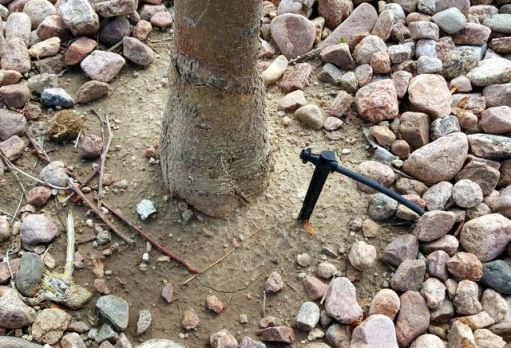

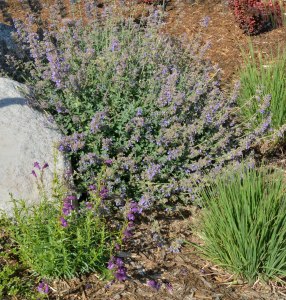 You’ve read the instructions; I’ve used them frequently here in my posts. “Drought resistant once established.” Sounds good—we’re always trying to save water—but how should you water these plants to start with? And what does “established” mean?
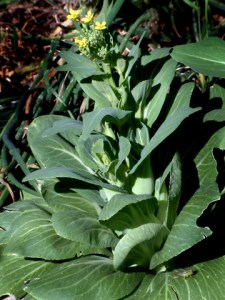 As I sit here in front of a fan, lemonade in hand, I can see my garden out the window. Of course the lettuce is bolting (as I mentioned last week). The cilantro is in full bloom, with delicate white flowers that attract a variety of beneficial insects. The bok choy is blooming too. Its bright yellow flowers of four petals arranged in the shape of a cross declare that it’s a crucifer, or mustard family member.
 According to a recent
  The sky is bright blue, the sun is shining, the predicted high is well above freezing, and it’s been like that for months. Sounds like perfect weather—but not if you’re a plant. As I look out my window at my dormant garden, I can hear the plants crying for water. Everything is so dry! Desiccating winds have drained the last vestiges of moisture from exposed leaves and branches, and even the so-called evergreens are shriveled.
 Mountain Plover