
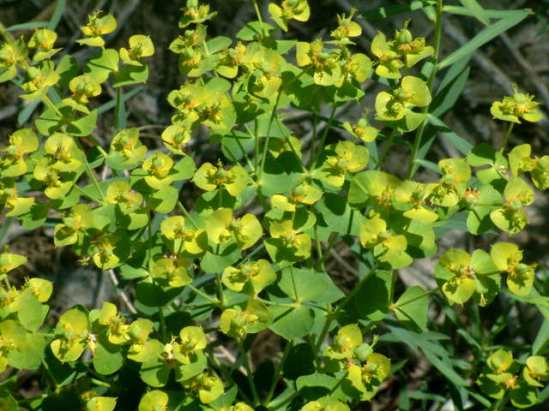
What grows one to three feet high, has small blue-green leaves, clusters of pretty yellow flowers, and is a stubborn, nasty, and aggressive noxious weed that is supported by an extensive system of underground stems? Probably the only good news is that it isn’t typically a weed in most landscapes, but if you’ve been out hiking much lately, you’ve likely encountered Leafy Spurge.


 The flowers could be considered somewhat pretty—a white or lavender tuft reminding me of cornflowers (aka bachelor’s buttons). The somewhat pretty flowers are probably the only positive aspect of these plants. A common noxious weed, knapweed is the bane of my garden.
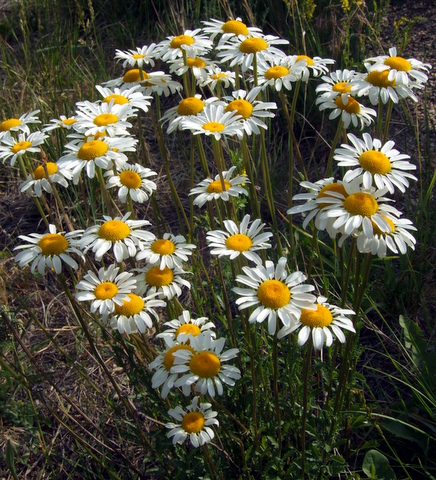
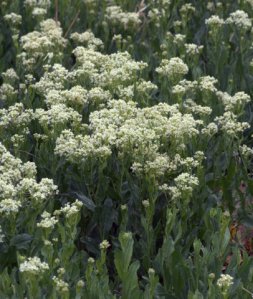 Spring flowers are finally filling the fields. Milk vetch, penstemons, wild onions and marsh marigolds all caught my eye as I hiked though the towering cottonwoods along Fountain Creek, at the base of the Rockies here in central Colorado. I was particularly impressed by huge swaths of a foamy white flower I didn’t immediately recognize.
 Specifically, a Penn State biologist named Tomas Carlo studied Japanese Honeysuckle (considered a noxious weed in much of the eastern US) and found that its presence increased the biodiversity of bird species as well as the number of individual birds. In fact, the fall berries are a major source of food for fruit-eating birds.
 Mountain Plover