
 Here it is the middle of winter, and garden pests are out of sight and out of mind. Yet, we know that those critters are out there, waiting for warm weather to bring out the first sprouts of spring—just so they can gobble them up! It’s a very good thing, then, that there are other creatures biding their time, waiting to eat those garden pests! I’ve already talked about bug-eating invertebrates. This time I’ll focus on those animals with some backbone, so to speak. Being biologically minded, I’ve sorted these helpful vertebrates by which taxonomic class they belong to.
Amphibians
 One of the most helpful animals to welcome into your garden is a toad. Like frogs and salamanders, their close relatives, toads eat tons of bugs, and they don’t need a pond to live in. Experts say they eat up to 100 bugs every day, and while they don’t discriminate between “good” bugs and bad ones (they’ll nab anything that moves), it’s nice to see cutworms, grasshoppers, flies, and slugs disappearing into their wide jaws.

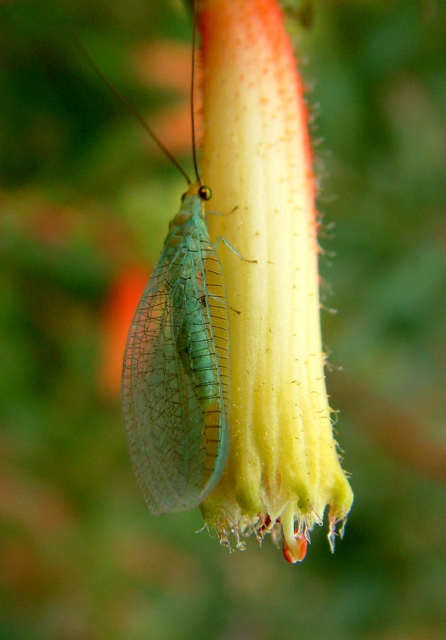

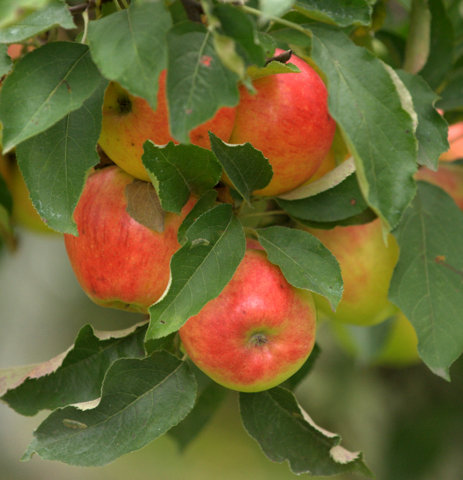
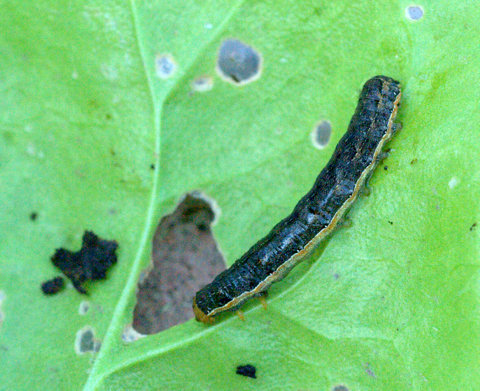
 Is your garden being bugged? While 95% of all insects are either beneficial or benign, that last 5% can eat us out of house and home—or at least out of cabbage and broccoli. If insect invaders are on the attack, sometimes you just have to fight back.
 Has your garden been assaulted by a plague of pink flamingos? Are your furrows full of gnomes? Maybe your problem is something as simple as a dreary winter landscape. Don’t despair, help is on the way. Even though traditional remedies may fail, extensive research has revealed a guaranteed solution to all of these garden woes.

 With temperatures dipping into the low 20s and our first (finally!) snowfall, the bugs in our gardens are either dead or in hiding. But before we collapse into that comfy recliner with a garden book and a cup of tea, we need to take a good look at our houseplants. It might be winter outside, but indoors the bugs are having a field day.
 Mountain Plover