
 With Halloween quickly approaching, the procrastinators among us are frantically searching for a brilliant, yet easy-to-execute costume idea. Since this is a birding (among other things) blog, I thought I’d offer a bit of inspiration—costume ideas I’ve collected from around the internet. I’m afraid not all of these look simple and easy to pull off at the last minute, but some were just too creative to pass up. Hopefully, these will get your creative juices flowing! (more…)
Author: LAH
Epsom Salts in Colorado: NOT
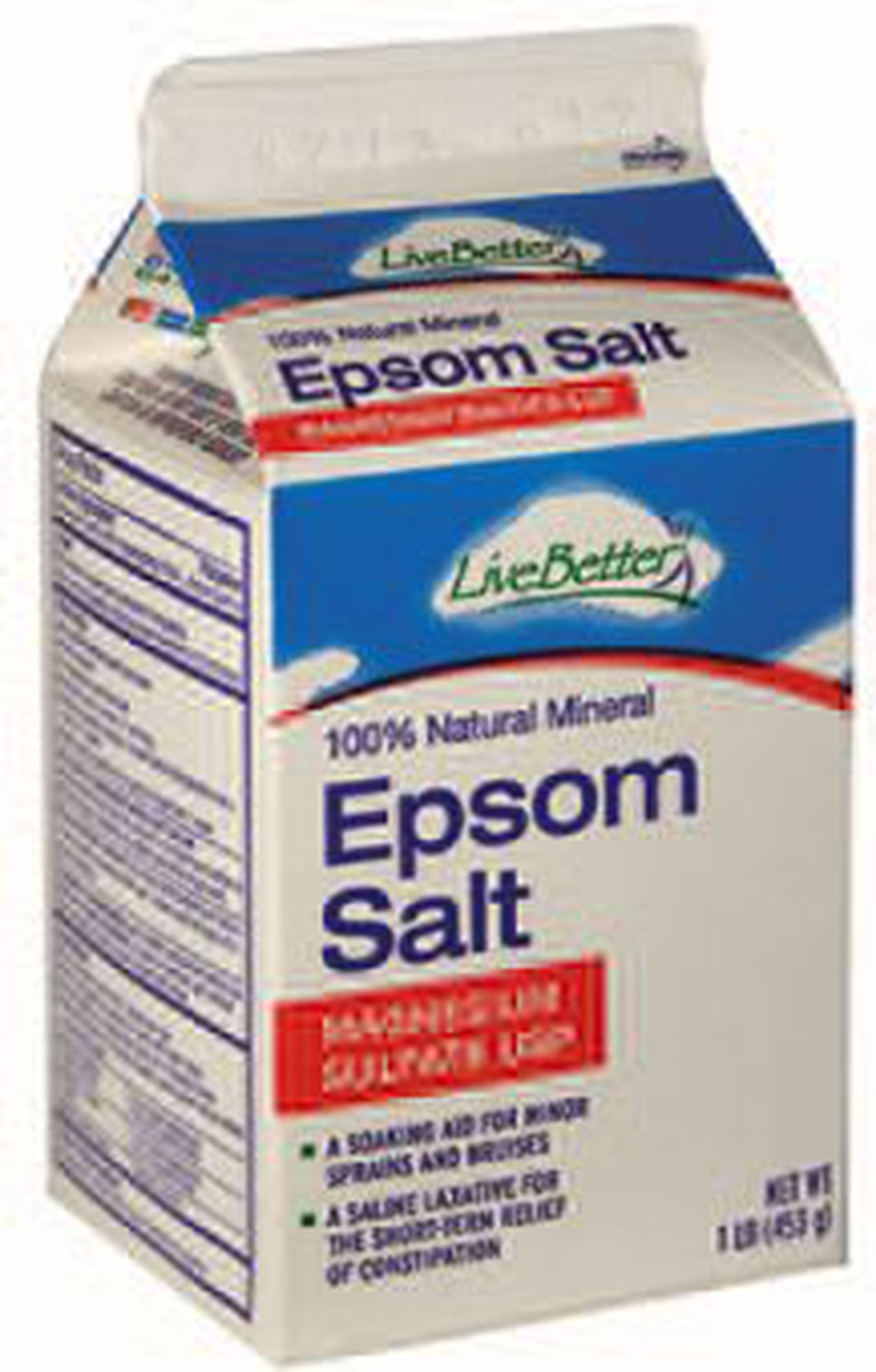 Epsom salts are often recommended as ways to improve your garden. A quick Google search turned up claims that they will improve seed germination, increase the size and number of flowers, reduce fruit drop, increase nutrient absorption, counter transplant shock, green up your lawn, prevent leaf curling, deter slugs, kill weeds, grow sweeter fruit, produce sweeter tomatoes with fewer problems such as blossom rot, increase pepper yields, and result in more and bigger roses on healthier plants. Wow. With benefits like these, we should all be putting Epsom salts in our gardens!
Birding Ramah SWA
 I wanted to squeeze in at least one more field trip before the first snows, so I joined up with other members of our local Audubon chapter and headed out to Ramah State Wildlife Area. Located in Colorado’s eastern El Paso County, Ramah is surrounded by miles of shortgrass prairie. The views include cows, rolling hills, and Excel Energy’s new windmill farm. There’s a shallow valley that has been dammed to trap rain runoff in wet years.
Pretty, Pretty Coralberry
 Lots of plants have pretty flowers or showy berries, are drought tolerant, handle clay soil, take full sun or part shade, or tolerate deer browsing on them. But how many plants have all these qualities? Coralberries are clear winners when it comes to choosing plants for our gardens. In fact, the only drawback comes when we try to pronounce their scientific name: Symphoricarpos orbiculatus!
If you’re into plants, you might recognize the genus. Symphoricarpos also includes Snowberries, S. albus, and the plants are fairly similar.
October’s Quiz: Answer
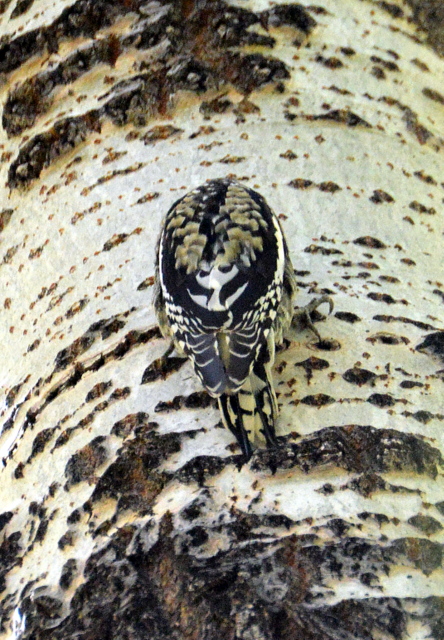
To refresh your memory, here is the photo from October’s Bird Quiz. The bird was seen in Colorado during the month of October. Don’t read any further if you want one last chance to identify this bird.
A Late Season Garden
 I didn’t plant this year’s veggie garden until mid-August. No, I wasn’t procrastinating. I just had to wait for the new boxes to be built, filled with topsoil and compost, and the drip lines put into place. While we moved to our new house in May, the landscaper didn’t start until the end of July—and my veggie boxes turned out to be the last thing they did.
Now I have two 4-foot wide raised planters, each about 10 feet long. (My garden got downsized along with the rest of my life.) I love the “rumble stone” bricks we used—they’re comfy to sit on as I weed and harvest. The boxes are a little over two feet tall (they’re on a slope, so it varies) and we filled them to about 10 inches from the top. I wanted some headroom for adding future amendments and so I can lay clear panels over the edges to create coldframes as needed.
October’s Bird Quiz
Can you identify this bird? The photo was taken during October in Colorado. My answer will appear next week.

To Spray or Not to Spray?
 During a recent visit to a local business, a tiny little beetle was discovered making its way along the baseboard, laboriously climbing over each bump in the carpet. Alarmed, the owner rushed over and glowered at the intruder, commenting that it was the second one she’d seen in as many days. She promised to pick up an insecticidal “bomb” to set off that evening after closing. I rescued the pint-sized ground beetle and carried it outdoors before it got stepped on. I’m sure it was relieved to be deposited in the grass, where it could go back to preying on smaller insects.
With winter approaching, many insects are looking for a place to shelter until spring. They don’t know the difference between a bark crevice and a door frame, and they unwittingly end up in our houses. Most are completely harmless, and can be simply redirected back outside. Instead, we reach for the can of bug spray.
Shuffling Off With Buffalo
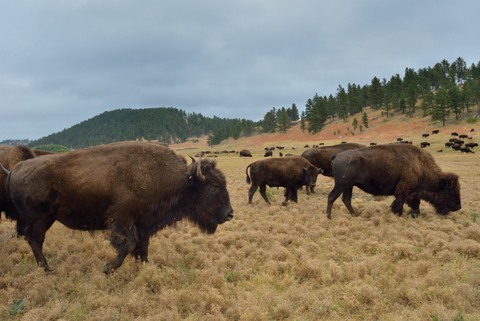 American Bison are big. I never realized just how big they are until we were surrounded. As the huge, shaggy beasts leaned against our little Prius, leaving large, muddy swipes, it slowly dawned on us that we wouldn’t be going anywhere for a while.
Pete and I were in Custer State Park, right in the middle of the Black Hills of South Dakota. In search of a much-needed break from a very hectic year, we’d arranged to use a little cabin for a week of R & R. However, no matter how much I planned to rest, I couldn’t resist heading out for a few shots of the resident wildlife. The park is known for its prairie dogs, wild donkeys, pronghorn, and especially bison.
Yellow Leaves, Red Leaves, Pretty Leaves, Dead Leaves
 You probably remember learning about fall color when you were in elementary school. You know that leaves turn colors before they fall, and it had something to do with chlorophyll. But when is the last time you really thought about fall foliage from a botanist’s point of view?
As gardeners, we want to know which plants turn which colors so we can use them effectively in the landscape. Here in Colorado, most of us know that aspens turn yellow golden, Gambel’s (scrub) oaks become a flaming reddish orange, and burning bushes (Euonymus alatus) shine in stunning shades of fluorescent pink, purple, and red. But why exactly do they do that? And how?
 Mountain Plover