
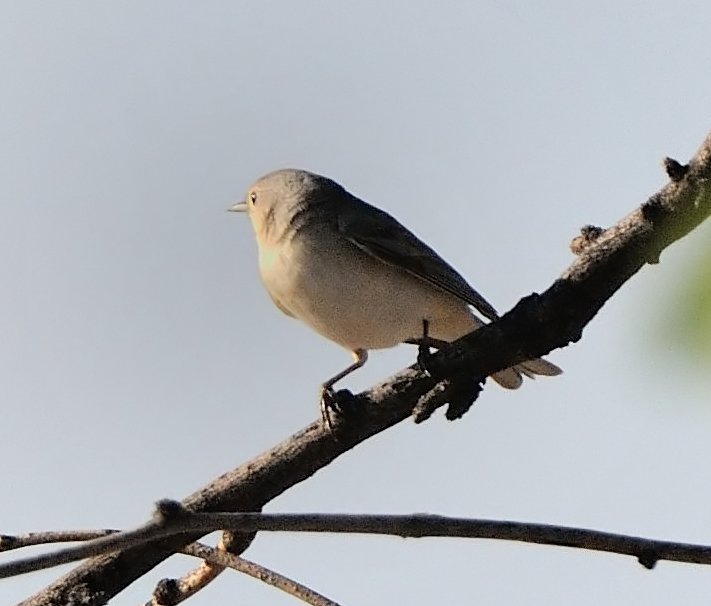
To refresh your memory, here is the photo from April’s Bird Quiz. The bird was seen in Arizona during the month of April. Don’t read any further if you want one last chance to identify this bird.
Author: LAH
Finally, Manzanitas for Colorado!
 Finally, manzanitas for Colorado gardeners! When we first moved to Colorado, back in 1993, I wanted to add some manzanitas to our ponderosa forest landscape, but the cultivars available weren’t deemed hardy enough for our 7000 foot elevation. I gave up and settled for Mahonia—not at all the same thing, but about the only broad-leafed evergreen I could get to grow in my yard.
April’s Bird Quiz
Can you identify this bird? The photo was taken in Arizona during the month of April. The answer will appear next week.
Yellow Leaves with Green Veins
 Colorado—the word means “red” in Spanish. And Colorado’s soils are often reddish, due to the abundance of oxidized iron. Here in Colorado Springs, Garden of the Gods (right) attracts visitors with bright orange sandstone monoliths. Further north, Red Rocks Park and Amphitheatre is part of the same formation. Our well water has so much iron in it that our white laundry turned pink—we had to install an iron-removal component to our water system.
So, with all this iron present in our soils, why do so many plants here suffer from a deficiency?
Auto-corrected Bird List
 Today I have a special guest post from Heidi Eaton, naturalist, zookeeper, and all around very nice person. She’s married to “Bug Eric” of entomology fame. You may remember I recommended his insect blog a while back. Here’s her post. I’m sure you’ll laugh at least as much as I did!
I’ve often used my Samsung tablet to keep a bird list when Eric and I are traveling. We are often amused at the way the auto-correct tries to change the bird names. Some aren’t that funny, like it always wants heron, blackbird, and starling to be plural (I can kind of understand why, with blackbirds and starlings).
Beyond Crabapples: Another Flowering Tree for Spring
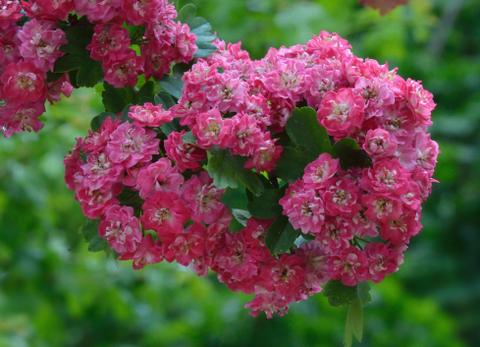 When it comes planting a spring flowering tree, most Colorado gardeners immediately think of crabapples. Wildly popular all along the Front Range, crabs deserve their stellar reputation. However, they aren’t the only flowering tree that thrive in our harsh environment. There might even be a better choice! Consider their close relative, the Hawthorn.
Bird Photography: Use your birding skills!
 As birders, we have an advantage over other photographers wishing to photograph birds. We know our subjects. All those skills we’ve garnered in our years of stalking lifers and observing birdy behavior are about to pay off—big time!.
Finding birds is easier for us birders. We know where the hotspots are. (If in doubt, check out the field trip destinations from any birding club website.) For example, Colorado birders know that Mt. Evans and Guanella Pass are often productive places to search for ptarmigan, while Clark’s Nutcrackers and Gray Jays can almost always be found at the Rainbow Curve pull-out in Rocky Mountain National Park.
What Did You Say?
 Many people talk to their plants. Whether or not it makes a difference, we chatter on about the weather, how nice the plant is looking, perhaps how shiny a leaf or pretty a flower. Of course, the plants don’t really hold up their end of the conversation. I’ve heard nary a peep from my peony, nor a single ahem from my Agastache. Even if they could talk, I doubt we’d find the conversation stimulating. After all, plants don’t have brains. But a lack of brain and vocal cords doesn’t stop plants from communicating. We just have to learn their language.
Spring Cleaning is for the Birds
 We’re approaching one of my favorite times of year. It’s bluebird season! We currently have five bluebird boxes on our property. Last year, one was filled with bluebirds and the others were claimed by wrens, swallows, and other cavity nesters.
Now, as a responsible home owner, it’s time to clean them all out. House Wrens typically clean out their own boxes, but bluebirds depend on the landlord to take care of it. That means us. And it’s critical that the box get cleaned before the birds arrive and start to move in. That means now!
Grow for the Green

When you think of flowers, you might imagine a red rose, yellow daffodil, or purple iris. But how about green? On March 17 we will celebrate Saint Patrick with green eggs, green beer, and parades. Being a gardener (and in honor of an Irish ancestor), I want flowers to get equal time.
 Mountain Plover