This bird was photographed in Colorado in June. Can you name it? The answer will appear at the end of next Monday’s post.


This bird was photographed in Colorado in June. Can you name it? The answer will appear at the end of next Monday’s post.
Birds are sometimes amazing at disguising themselves, but we birders can rise to the challenge and spot them anyway. Just for fun, I think it’s time for a little quiz. No, not an ID quiz—this one is simply “Can you find the bird?”
Easy, right? Here we go…


We’re gearing up for a long-awaited road trip to Washington state. I can’t wait to see the grandkids (and their parents) and, since we’re driving, of course I can’t pass up the opportunity to bird somewhere that isn’t home.
We had wanted to go this past spring, but we all know how that turned out. I don’t often get the opportunity to bird the coasts, so I was eager to finally see shorebirds heading north in their easy-to-ID breeding plumage. Now, all those birds have morphed into migrants heading the other way in drab white and tan. Still, we’ve included several days at wildlife refuges known for vast numbers of migrating sandpipers, and in the meantime, I’m brushing up on my sandpiper ID skills.
This bird was photographed in Colorado in June. Can you name it? The answer will appear at the end of next Monday’s post.


There’s a rhythm to birding in Colorado. At this time of year, many birders head to the mountains for the cooler temperatures and gorgeous scenery. Seasonal campgrounds and picnic spots that are inaccessible during the winter are currently full of wildflowers and nesting alpine birds, not to mention people hiking, fishing, or simply hanging around relaxing. While I love seeing people out enjoying nature, at times, the more popular spots get too crowded.

We’re approaching mid-summer, the time that nestlings fledge, birders wilt, and ornithologists announce updates to lists of North American birds. As is common in these days of DNA analysis, most of the changes involve taxonomic reordering and changes in genus. That’s fascinating for those interested in taxonomy, but for most birders, it’s the lumps and splits that claim our attention. When species are lumped, we stand to lose a lifer. When subspecies are split into two or more full species, we can celebrate a longer list. There are three changes this year that will affect our North American life list totals.
This bird was photographed in Colorado in May. Can you name it? The answer will appear at the end of next Monday’s post.
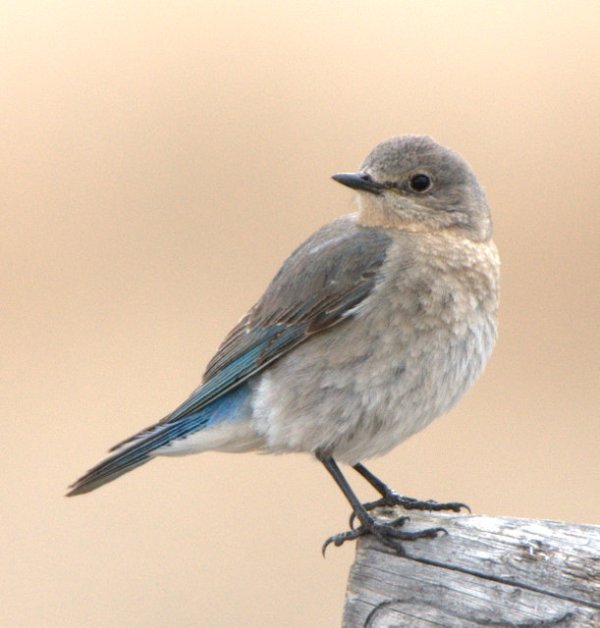


If spring brings mating displays and nest building, then summer is sure to be filled with baby birds. Lately, everywhere I look I see frazzled parents bringing food to their ravenous offspring. No sooner have they stuffed the moth or grasshopper or beetle or dragonfly down that bottomless gullet than they’re off looking for the next morsel.
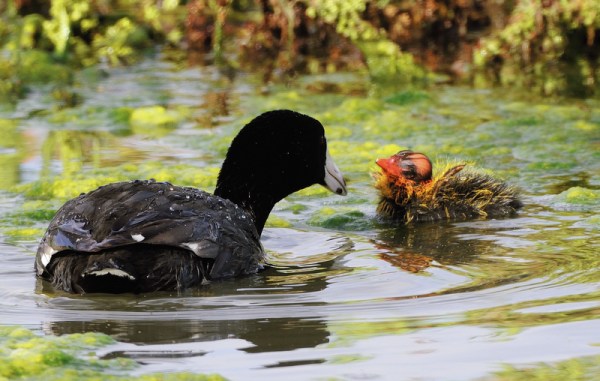
Summer is just around the corner and with the warmer weather comes a new birding challenge—and a photographer’s dream—baby birds. As a photographer, I’m delighted to document the new generation. Who can resist this adorable American Coot begging for food, or a newly-hatched plover wobbling on long, spindly legs?

Why wouldn’t the camera focus on the bird?!
I was trying to finally get a decent picture of a Yellow-breasted Chat. They’re not all that common in this part of the country, and I was thrilled to find one. In fact, we’d been hearing it call since we’d arrived at one of my favorite birding spots. But where was it?
After much searching (my ears aren’t very good at recognizing direction), we finally found the noisy bird sitting in a bare treetop, far overhead. It was in plain view, if you discounted the multitude of leafless twigs surrounding it. Praying it would stay put long enough for me to grab the shot, I aimed my lens and partly depressed my shutter button to activate the autofocus. (more…)
 Mountain Plover