
 You enjoy the birds in your backyard. Birding field trips crowd your calendar. But have you ever participated in a birding festival? Getting together with other enthusiastic birders for an entire weekend is a terrific way to learn more about birds, add species to your life list, and have a thoroughly enjoyable experience. You’ll want to come back year after year!
Category: Birds
March Bird Quiz: Uncropped Photo
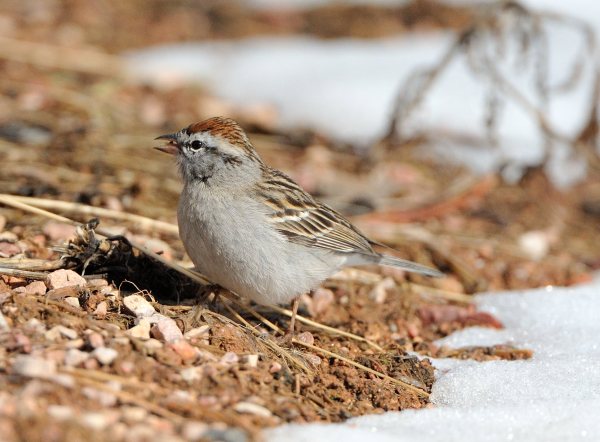
If you were stymied on Monday, now can you name this bird? The photo was taken in Colorado in April. The answer will appear at the end of next Monday’s post.
March Bird Quiz
Can you name this bird? The photo was taken in Colorado in April. I will post the uncropped photo on Saturday, giving you one more chance to identify this bird. The answer will appear at the end of next Monday’s post.
Online Birding
I haven’t been birding in what seems like ages. I won’t go into the list of reasons, but it involves a new job and lots of home organizing. I need a birding fix. Truly, I’m getting desperate.
A couple of years ago I wrote a post titled “15 Birdy Things to Do When You Can’t Go Birding.” I was in a similar situation—I’d sprained my ankle and was propped up on the couch, missing out on a number of local birding trips. One of the items on my list of things to do was to watch live bird cam feeds.
Presidential Birds
What do Lincoln’s Sparrow and Wilson’s Warbler have in common? Do you know? Can you guess? You’re right—they were not named after presidents. However, since they do share a last name with a former president, it seems appropriate to learn about this Lincoln and this Wilson on President’s Day.
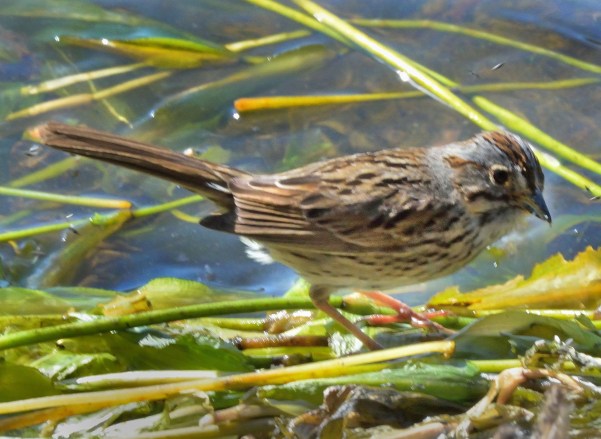
Lincoln’s Sparrow is a cute little bird. Its brown feathers are suffused with a coppery tint. (I use the copper color as a handy mnemonic—coppery bird, copper penny sporting a profile of Lincoln.)
Monogamous Swans?

It sounds so romantic, the idea that swans mate for life. If one dies, its mate also dies—of a broken heart. How faithful. How tragic. How so not true.
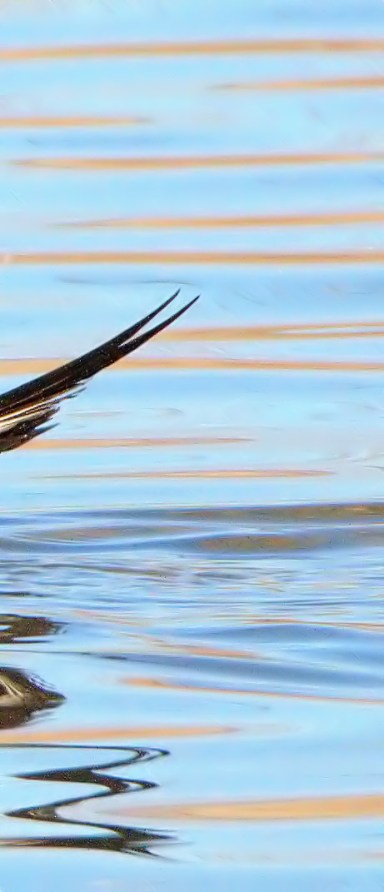
February Bird Quiz: Uncropped Photo
If you were stymied on Monday, now can you name this bird? The photo was taken at Bosque del Apache NWR in New Mexico, in January. The answer will appear at the end of next Monday’s post.

February Bird Quiz
Can you name this bird? The photo was taken in New Mexico in January. I will post the uncropped photo on Saturday, giving you one more chance to identify this bird. The answer will appear at the end of next Monday’s post.
Birding India: Osmania University, Hyderabad
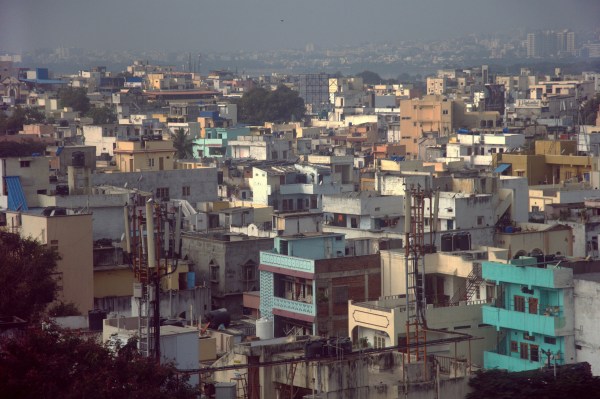
The twin cities of Hyderabad and Secunderabad, in south-central India, are known as a center of high tech industry. Like any Indian metropolis, they have their share of traffic and smog, blaring horns and crowded streets. But right in the middle of town there’s a green oasis full of birds. As you hike the dusty trails, trees and shrubs mute the distant sirens and motor bikes. Birds chirp. Sunlight filters through to warm your shoulders. If you find yourself in the area, I highly recommend birding Osmania University.
Birds at Sea
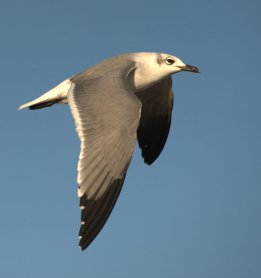 Birds are pretty amazing creatures. A recent question from a friend helped me realize just how amazing.
Our friends recently returned from a Caribbean cruise. At one point, when they were somewhere off the coast of Yucatan, their ship was out of sight of land. Yet, to their surprise, there were birds flying overhead. When they got back, they asked me, “How could the birds be out in the middle of the ocean like that? Don’t they need land nearby so they can rest?”

