How to Name a Bird, Part 2

If you missed last Monday’s Part 1, be sure to read that post first. Now I’ll continue with my identification checklist.

What does it look like?
Golden-crowned Sparrow_CosumnesRiverPreserve-CA_LAH_0312
This is the obvious one, but even here there are often too many details to take them all in at once. I usually start with color, and “general impression of size and shape” (GISS). Are there any obvious marks that might narrow things down?

If the bird is still posing for me, I move to the details. What color is the eye, and is there an eye-ring? What about the beak? Long or short, pointed (for bug-catching) or wedge-shaped (for seed-cracking), curving or straight? On a sitting bird, do the wings protrude past the tail? What color are the legs and feet? Is there anything else that stands out?

(more…)

How to Name a Bird, Part 1

Golden-crowned Sparrow_CosumnesRiverPreserve-CA_LAH_0338What in the world is that bird? Birding someplace new is fun and exciting, but it’s also a challenge. How do you make a trip list if you can’t identify the birds you are seeing?

I normally post a bird ID quiz on the first Monday of the month. Today and next week, I thought I’d share about the mental checklist I go through when I’m trying to ID a bird I don’t immediately recognize.

I get to travel a bit. In addition to field trips here in Colorado, I’ve been birding in southern Texas, Arizona, Florida, Indiana, and the west coast. I was really excited when we went to Puerto Rico several years ago. We stayed at a friend’s time share ideally situated between a wildlife refuge and a bird sanctuary. I was having so much fun, I almost didn’t notice the 99° temperatures or the 99% humidity. Almost.

(more…)

What Time Should I Expect You?

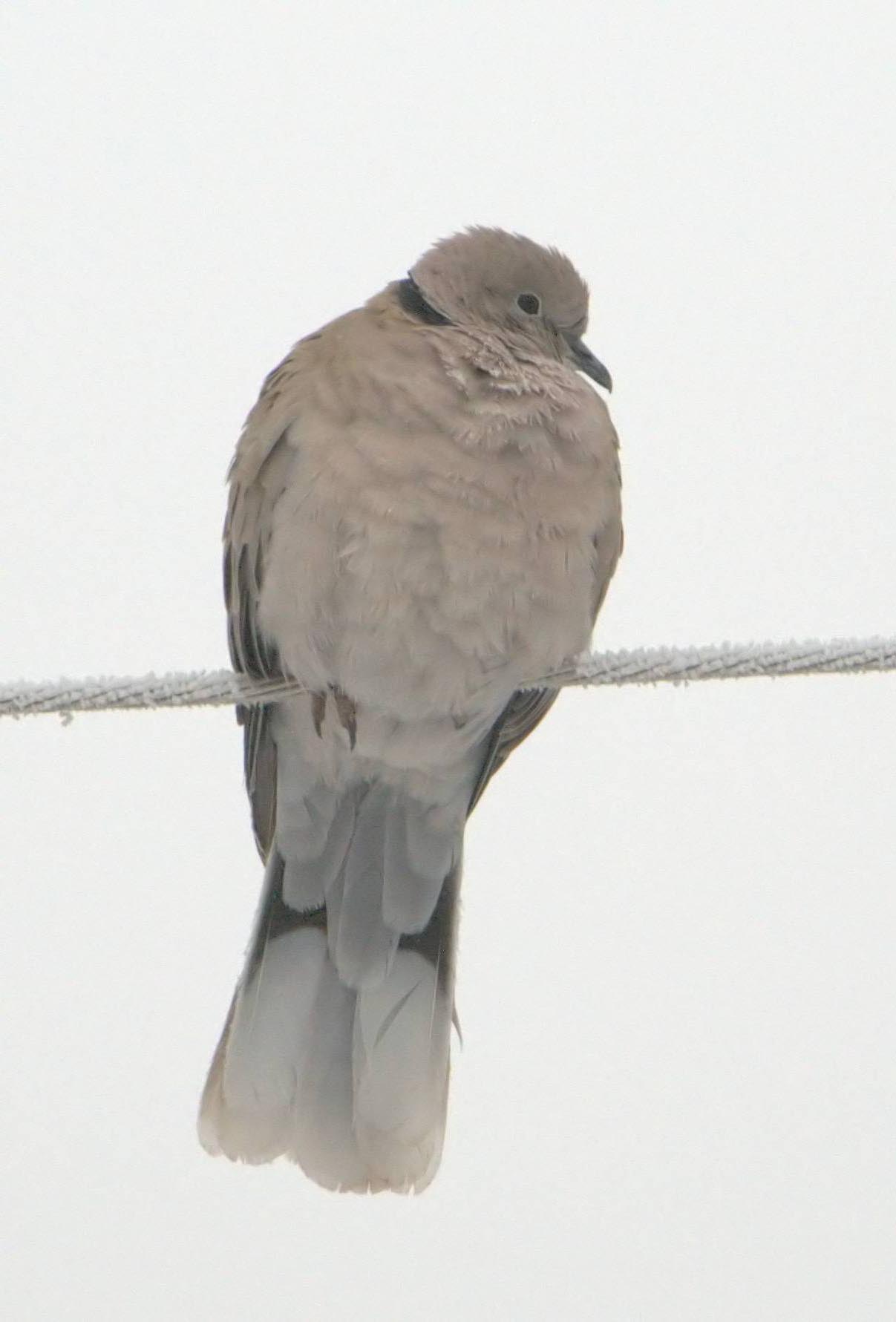
Mourning Dove_FCNC-CO_LAH_0385.nefWhen does migration bring new birds to Colorado? I’ve been pondering that question ever since I started birding. As a gardener with years of experience, I know when to plant each crop or flower. I know that 70° afternoons can be followed by 3° nights. Yes, April is like that—don’t be fooled.

But migration varies from species to species, and even sometimes from year to year. Instead of learning when to set out a dozen veggie varieties, I have to become familiar with the timing of hundreds of birds. For the most part, that’s still a huge mystery to me.

(more…)

The Bluebird Effect—Not Just Another Nature Book

The Bluebird Effect, by Julie Zickefoose

Maybe birding results from having a “collection gene.” (At least a bird collection—aka a “life list”—doesn’t take up any space on a shelf, and as a bonus, it never needs dusting.) I don’t just collect birds, I seem to also accumulate books. Like many birders I have a shelf full of delightful books, each chronicling the nature experiences of an author. From a Victorian lady’s garden journal to the a thin volume exploring the seasons of the north woods, I can immerse myself in the great outdoors from the comfort of my favorite chair.

I have to admit, however, that many of these books work equally well as sleeping pills. Reading detailed descriptions of the weeds on someone’s farm just doesn’t generate the page-turning anticipation of a good adventure story.

(more…)

Mnemonics Fun

American Goldfinch, molting into breeding plumageTwo weeks ago I talked about bird song mnemonics, and how helpful they can be. Today being April 1, I thought we’d have some fun. Instead of my usual monthly bird quiz, I’ve assembled a list of 15 popular bird songs, translated into English. Can you identify the bird that says each phrase?

If that proves to be too much of a challenge, click on the “continued reading” button for a list of candidates. Answers are at the end, no fooling. Enjoy!

(more…)

Nature’s Easter Eggs

eggsWith many of us dying Easter eggs this week, I got curious about eggs that are naturally colored. We’ve raised chickens (Ameraucanas) that laid turquoise-to-olive eggs; our current flock of Black Sex-links lay in shades of tan. In fact, I usually have to buy white eggs at the store in order to achieve those pastel Easter hues.

But what about other kinds of birds? For instance, why do American Robins lay blue eggs, Burrowing Owls lay white eggs, while the American Golden Plover lays eggs that look like ovoid granite rocks, with big, black speckles on a white background? How and why do eggs come in so many colors?

(more…)

What’s That, You Say?

Cactus Wren_DesertMuseum-AZ_LAH_4630I admit it—I’m terrible at identifying bird sounds. They can screech and chirp and warble and coo all they want, and I have no idea who’s making the racket. Well, that’s not quite true. I do recognize really easy birds such as a Spotted Towhee, Canyon Wren, Swainson’s Thrush,  Townsend’s Solitaire, or Cactus Wren (right). I can identify a chickadee’s “chick-a-dee-dee-dee,” too, but I can’t tell a Black-capped from a Mountain without looking.

It’s all right to rely on my (rather poor) eyesight during the winter, when there are no leaves on the trees, but I miss too many birds the rest of the year—and if I do see them, I can’t identify them. It’s not from lack of trying. I can listen to a recording and try to fix it in my mind, but a minute later I have no recollection of what I just heard. I need help.

(more…)

Little-Known and Seldom-Seen

little known 1Do you really need another field guide to North American birds? Yes, you do. In fact, you need two of them—the sooner, the better. How many of your current field guides have entries for the Yellow-bellied Prairie Chicken, the Blunt-billed Woodpecker, or the Split Rail? None of them, I bet.

Do your current field guides explain how to correctly assemble the parts of a bird? I’m sure they don’t. Do you own a book explaining what to say to other birders while on a field trip? No? Well then…

(more…)