

Here in Colorado, when it’s hot out on the plains, we head to the mountains. And there’s no better mountain to head to than Mt. Evans. No hiking required, unless you want to reach the 14,265 foot peak, and even that is only a quarter mile up a series of switchbacks from the summit parking lot. And while the view from the top is worth the effort, most of the really good stuff is on the way there. It’s a good metaphor for life.
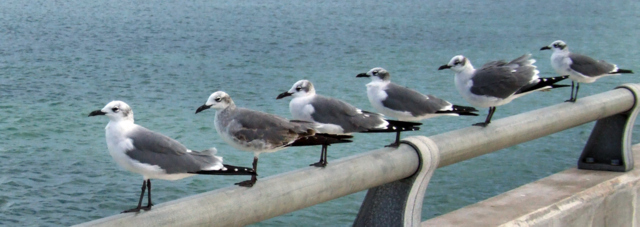
 I was reading an

 Birders spend a lot of time looking in trees. Of course, we’re hoping to see birds, and often we do. But birds aren’t the only animals that live in trees. And, while I get a thrill spotting a less-than-common bird among the branches, I also get rather excited when it’s a less-than-common mammal—or other creature.
 Besides the birds, what do I see in trees? Squirrels! It’s a rare birding trip when we don’t spot at least a couple of squirrels, and typically there are plenty more. Here in the Colorado Springs area, by far the most common species is the Eastern fox squirrel, which some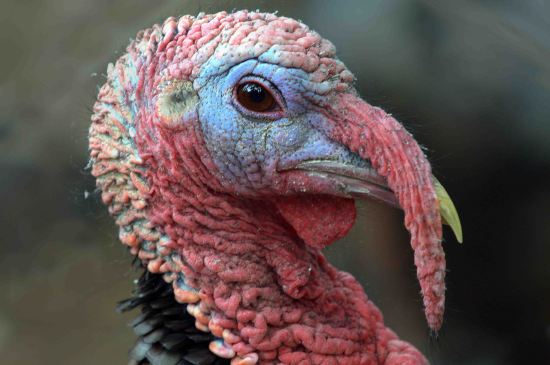
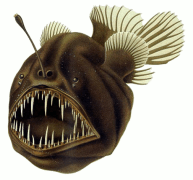 When I think of parasites, I typically think of creatures such as tapeworms, fleas, ticks, and leeches—nasty invertebrates that drain the life out of us humans. Then, I might recall that some higher animals can also be parasites, such as the deep sea anglerfish. You’ve likely seen pictures of anglerfish, with their huge, pointy teeth in a large head, followed by a tapering body. When these fish mate, the male permanently attaches itself to the female and lives off her bloodstream for the rest of his life, his sperm his only contribution. (See National Geographic’s
 We humans like to think we’re pretty smart, and for good reason. Look at the amazing ideas people have had, leading to the most incredible inventions. I was reading some articles about the latest technologies, and I admit to being duly impressed.
 The neighborhood where I live seems to be a magnet for door-to-door salespeople selling services. One company in particular has been particularly persistent in their marketing attempts—an exterminator.
