
Where do you go birding in the middle of the summer? With highs at home well into the 90s, Pete, our friend Debbie, and I headed up to Rocky Mountain National Park for four days of cooler temperatures in a spectacular setting.

Where do you go birding in the middle of the summer? With highs at home well into the 90s, Pete, our friend Debbie, and I headed up to Rocky Mountain National Park for four days of cooler temperatures in a spectacular setting.

One of my favorite Colorado animals is the pronghorn. Even after two decades of living here, I still excitedly point them out whenever we see them—and we see them a lot. They even grazed in the field across the street from our old house. I think part of their appeal is that I know that pronghorns are unique to this part of the world.

A shallow, warm sea reflects sunlight in the distance. Here on the shore, a flat beach is backed by low hills. The hillsides are home to dozens of large, circular depressions approximately six feet across. These are nests, and the assemblage is a rookery.
Some nests still contain eggs, others have young in residence. The nestlings have been here a while, hanging out with the their parents, who in turn provide both food and protection. (more…)
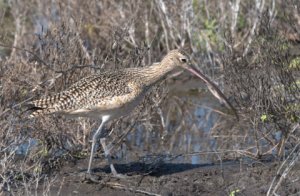 Cryptic coloration—the ability of an animal to blend in with its surroundings—has always fascinated me. Cryptic coloration is the reason there are so many brown, striped sparrows. It’s why female ducks and other species lack the bright plumage of their mates. It’s why birds show regional differences. And it’s why I almost missed seeing the Long-billed Curlew shown here.
Once again, it seems appropriate to post a few “parting shots” as we leave 2015. Hope you had a great year, and wishing you the best for 2016!
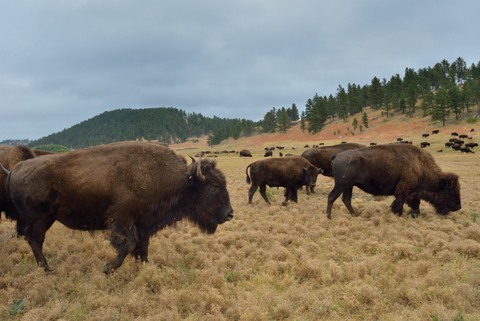 American Bison are big. I never realized just how big they are until we were surrounded. As the huge, shaggy beasts leaned against our little Prius, leaving large, muddy swipes, it slowly dawned on us that we wouldn’t be going anywhere for a while.
Pete and I were in Custer State Park, right in the middle of the Black Hills of South Dakota. In search of a much-needed break from a very hectic year, we’d arranged to use a little cabin for a week of R & R. However, no matter how much I planned to rest, I couldn’t resist heading out for a few shots of the resident wildlife. The park is known for its prairie dogs, wild donkeys, pronghorn, and especially bison.
 Why would I want to invite insects into my garden? Don’t most homeowners want to get rid of the bugs? It’s true that some insects cause major problems in a landscape, chewing indiscriminately and leaving behind a trail of devastation. But don’t let a few bad guys ruin it for everyone—there are plenty of insects who can live harmoniously among our plants. Some, such as bees, more than earn their keep. And who doesn’t enjoy a garden full of butterflies?
 The sun was beating down as we pushed through waist high weeds—reeds, grasses, and wild licorice with its Velcro stickers. I gulped another mouthful of warm water from my nearly empty bottle and swatted at a pesky deer fly as it flew off with a chunk of my arm.
Why would I choose such an inhospitable place to go for a walk? In a word—Odes. Odes is short for Odonata, the biological order containing dragonflies and damselflies.
 If you’ve just joined us, we’ve been taking a hike to look at some early summer wildflowers. See last week’s post for plants along the dry, sunny trail.
We wake from our unintended nap, eager to continue on our hike. After a couple of miles, we finally reach the stream we’ve been hearing. The trail steadily gains in elevation as we move upstream, and we find ourselves breathing a bit harder. The plants here are more adapted to partial shade, and thrive in damp conditions.
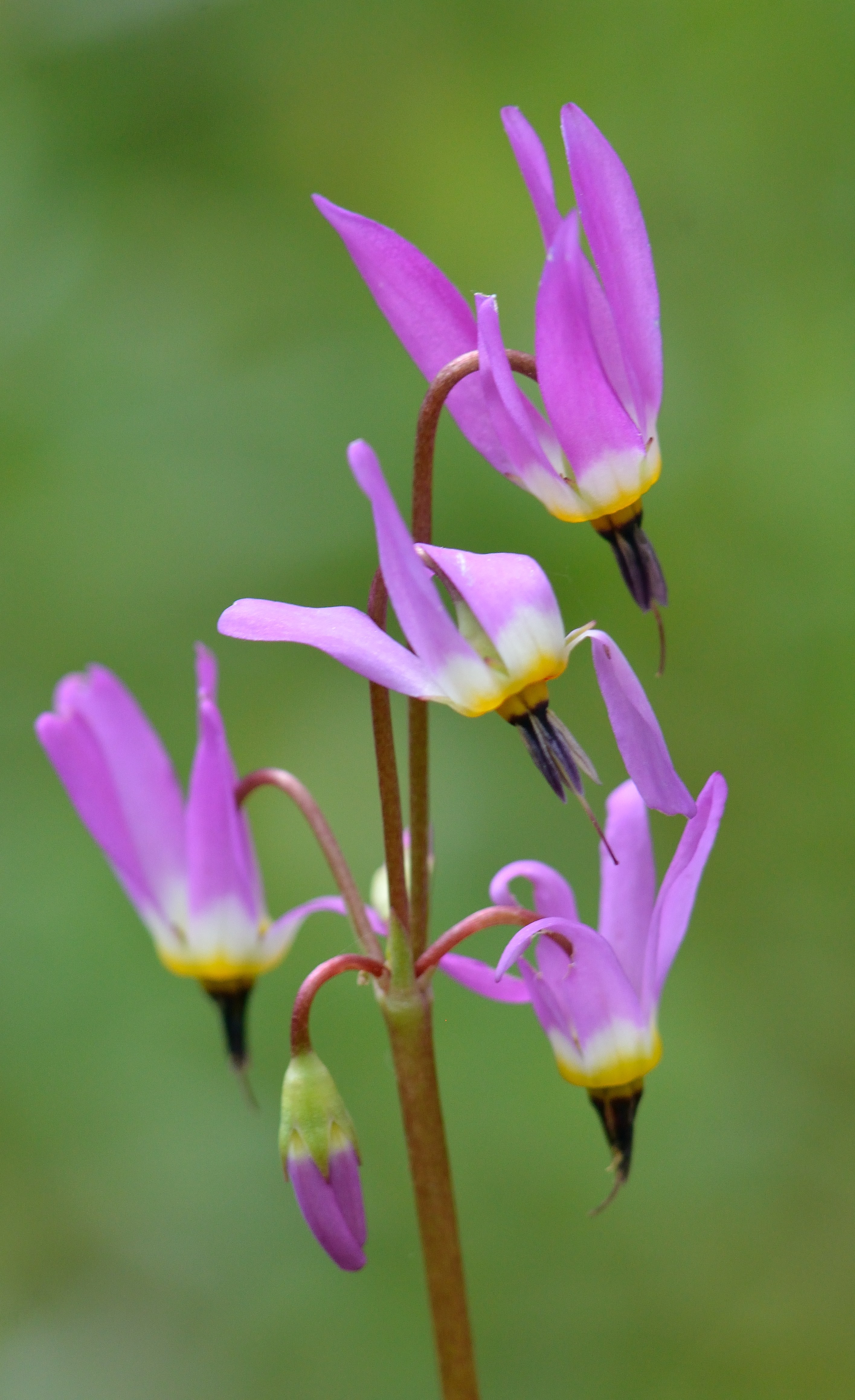
The first flowers we notice are a scattering of Shooting Stars (Dodecatheon pulchellum). May’s rain has resulted in a profusion of their delicate blooms, and they grow in the saturated stream-side soil.
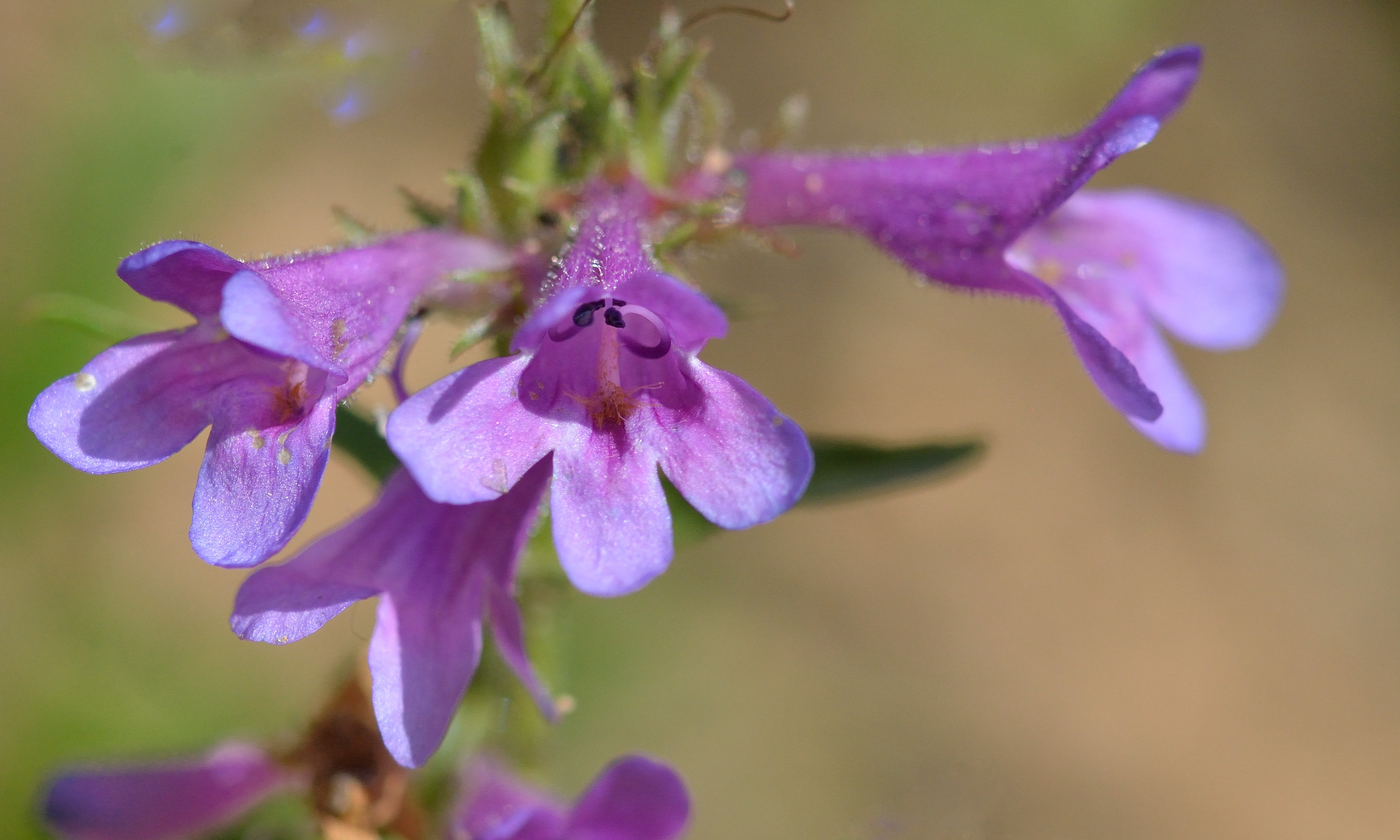
The soggy May we endured may have been dismal and frustrating, but now we’re reaping the rewards of all that rain. As the sun has come out and the weather has warmed, we’ve been gifted with an abundance of wildflowers. This is the perfect time of year for a wildflower walk. Let’s take a hike up the mountain and see what we can find.

 Mountain Plover