

Girl eggplants? Boy eggplants? Does one taste better than the other? And what does all this have to do with plant sex?
In researching my recent post on eggplant, I discovered a bunch of discussion about “male” vs. “female” eggplants. We’re talking about the fruit—the eggplants that we eat—not the individual plants on which the eggplants grew.
From a botanical point of view, this whole debate is nonsense. Let me explain:
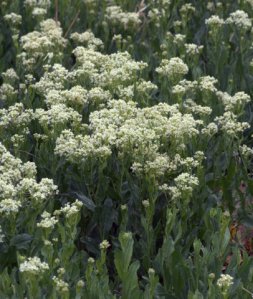 Spring flowers are finally filling the fields. Milk vetch, penstemons, wild onions and marsh marigolds all caught my eye as I hiked though the towering cottonwoods along Fountain Creek, at the base of the Rockies here in central Colorado. I was particularly impressed by huge swaths of a foamy white flower I didn’t immediately recognize.
 I was rinsing my hands under the faucet downstairs when a huge, aggressive monster suddenly scurried across the bowl of the sink. I screamed. Slamming the faucet lever down, I backed away from the counter, shaking, dripping on the tile floor.
 In an attempt to improve my skills, I’ve signed up for a Wildlife Photography class at our neighboring community college. I have starry-eyed visions of rutting elk, growing grizzlies and other impressively large mammals adorning the paneled walls of our family room, not to mention the pages of Outdoor Photographer or National Geographic.
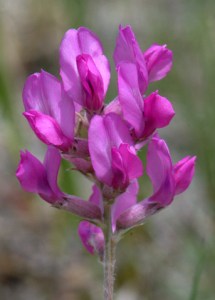 I was hiking on a nearby ranch last week when we came across some spectacular wildflowers. As I knelt to grab some photos, my plant expert companion remarked, “You know that’s locoweed. We should pull it out!”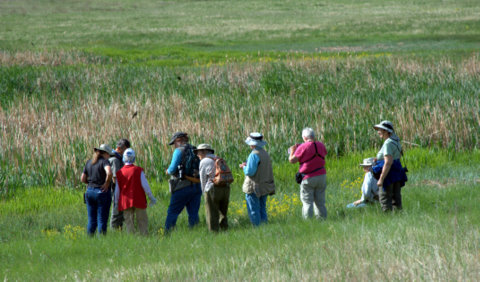
 I love living outside the city limits, but sometimes sharing our five acres with nature can have its challenges. I currently maintain seven bird feeders and a bird bath. Not only do we have lots of birds, but the availability of food and water brings in some unintended visitors as well.
 Mountain Plover