The view out my window on a recent morning was solid white. I was looking at four inches of what the weather folks called “it may or may not snow, and surely there won’t be much accumulation.” Schools were on a delay, temperatures hovered in the mid-teens, and visibility was nil. Yup, I wouldn’t be driving anywhere to go birding that day.
Category: Photography
Plant Photography: Color

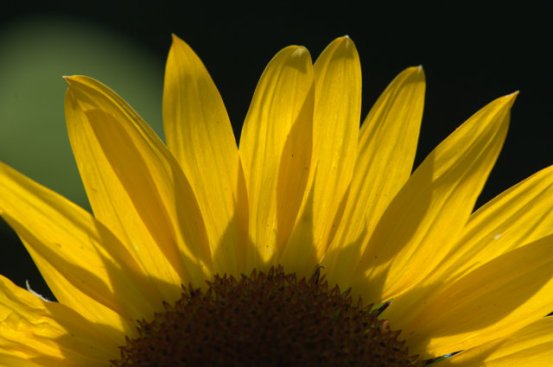
My final post on photographing plants, in all their forms, deals with one of my favorite aspects of photography—color. My dad was an avid photographer as well, but he preferred to shoot a medium format camera loaded with black and white film. Then he’d disappear into his darkroom and spend hours dodging and burning, doing his best to emulate Ansel Adams.
Me? I want color, and the more, the better. Happily, gardens are colorful places.
Plant Photography: Composition
Last month I wrote about keeping your photo simple—isolating the subject and avoiding distractions. But there’s much more to composition, many more ways to make your photos terrific. Here are a few tips and suggestions you may find helpful. (more…)
Garden Photography: K.I.S.S.

It’s helpful to understand your equipment, to know how to set up your camera so your subject will be in focus and properly exposed. Knowing how everything works will allow you to avoid mistakes and the frustration that accompanies them. If you’re especially enamored of technical things, you’ll probably enjoy trying out all your camera’s menu choices, dials, and buttons, learning what it’s capable of. But just as most of us don’t pull out our phone simply to play with the settings, understanding the technical aspect of photography isn’t our final goal. Rather, it’s the means to an end. We want to create quality photographs.
Plant Photography: Lighting

Photography. The very word means “writing with light.” In spite of all our digital technology, light is still the most important aspect of a photograph. And light is often the difference between a nice picture and an outstanding work of art. The old masters knew this—think of Rembrandt, with the light illuminating his subject:
Plant Photography: Settings

The fun part of taking pictures of plants is going out into the garden, admiring all the flowers, and creating magnificent photos. The not-as-fun part is understanding the technology behind your images. Yet, if you’re going to get great shots, you need to know a little about how your camera works.
Garden Photography: Accessories
You’ve got a camera. You’ve acquired a few lenses. You’re eager to get out into the garden and start creating photos. And you can certainly do so, right now. However, there are a few additional accessories that will enhance your photo experience. What else should you add to your camera bag?
My top priority would be an extra battery, and another memory card. Batteries have improved drastically since the early days of digital photography. I used to go through two sets of four AA batteries in a single afternoon. Now my camera battery lasts two days, or more. Still, there’s nothing so frustrating as being in the middle of a photo shoot and realizing that your battery just died. Carry a charged spare!
Gear for Garden Photography
If you read last month’s post, you now know why you’re taking garden photos. The next question is, what kind of camera do you need? Cameras range from simple point-and-shoot models to the camera in your phone to professional DSLRs. While there’s a lot of truth that you get what you pay for, all of them take photos.
At least to start with, use the camera you have. Yes, you’ll have more creative latitude with extra lenses, camera features, and other equipment, but keep in mind that most important part of the process is the photographer. (more…)
The Purpose-Driven Photo
Perhaps you want to hang a huge framed photo of your prize roses over the couch. Or maybe you see some striking flowers in someone else’s garden, and you want to grow them at home—but you don’t know what they are. Maybe you simply want to record where you plant your tulips this fall, so you don’t bury them under a new perennial come spring. I’ve taken photos for all of these reasons and more.
Perhaps the first and most important consideration when it comes to garden photography is to make clear in your mind just why you’re taking a particular photo. If you don’t have a specific goal, it’s very difficult to accomplish it!