
 Colorado isn’t an easy place to garden. Drought, late frosts and early snow storms, soils of sand and/or clay… to grow anything here, you have to be stubborn—and so do your plants. Our recent storms were so destructive, I thought I’d post something about how you can avoid a lot of hail damage in the first place. At least for ornamental landscapes, the key to surviving hail is plant selection.
A tour of the garden after a major hail storm will reveal some plants that are totally destroyed while others have nary a bruised leaf. What makes some plants hail-resistant?
 Last week, our part of the world was hit by a horrific hail storm. Drifts (if you can call them that) measured four feet high. Houses, cars, and, of course, gardens were ruined by hailstones the size of golf balls (as this photo by Pam Woodward proves). It’s quite shocking to watch from your window and see thousands of hail stones plummeting your favorite garden. Do not despair—the plants may recover! Hail usually does not damage the root system. Here are some things you might do to help your plants survive and even thrive:



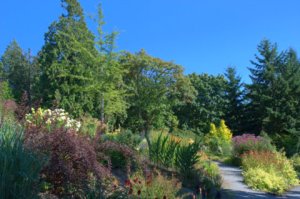 Where does a gardener want to go on vacation? Probably somewhere with a beautiful public garden or two.
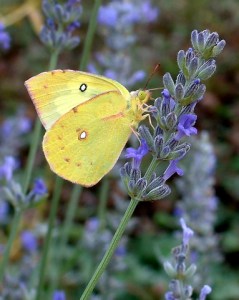 Insects have a pretty crummy reputation. Not too many people are enamored with flies, roaches, or wasps. Yet, there are a few exceptions, such as ladybugs, honeybees (in the right setting), and of course, butterflies. Who doesn’t appreciate butterflies? We’re taken with their beauty, and we hope they’ll visit our gardens. Happily, there are a number of steps we gardeners can take to encourage these “flying flowers.” Creating a landscape that welcomes butterflies isn’t difficult, and it will appeal to people just as much as it does to the butterflies.
 Today is Arbor Day, the traditional day for planting trees. Most of us treasure trees. Planting one is an act of faith, something we do for our children, and perhaps our grandchildren. Sadly, thousands of our nation’s trees now reaching maturity are destined to an early death. They were doomed the day they were planted.
 Mountain Plover