
It was 15 years ago this week. Pete had been doing a lot of international travel that year, and was only 200 miles away from achieving Gold status on his frequent flyer program. One more flight would do it, and the perks were impressive. After a bit of research, we determined that the cheapest flight from Denver that was to Austin, Texas, so we made two reservations for the day after Thanksgiving and booked a rental car. Once in Austin, we drove to our final destination—San Antonio. Four nights in a hotel on the famous Riverwalk sounded like just what we needed!
 Corn pudding and hush puppies, cornbread stuffing and succotash. If anything qualifies as authentic American cooking, it surely involves corn. We eat it fresh—still on the cob, creamed, and as the critical ingredient in corn chowder. We eat it dried and ground into cornmeal—in corn pone and muffins, as fritters and johnnycake. Domesticated for millennia, corn has come a long way from its teosinte roots.
 Are you a gardener, or interested in gardening? How about going deeper and delving into a bit of botany? Do you like to cook? I find great satisfaction in planting a seed, nurturing the crop to harvest, then discovering the tastiest way to prepare the results. Plus, I want to understand the plant I’m eating. That’s why I was so excited to discover a new-to-me blog,
 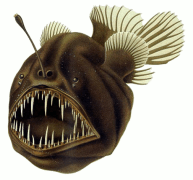 When I think of parasites, I typically think of creatures such as tapeworms, fleas, ticks, and leeches—nasty invertebrates that drain the life out of us humans. Then, I might recall that some higher animals can also be parasites, such as the deep sea anglerfish. You’ve likely seen pictures of anglerfish, with their huge, pointy teeth in a large head, followed by a tapering body. When these fish mate, the male permanently attaches itself to the female and lives off her bloodstream for the rest of his life, his sperm his only contribution. (See National Geographic’s
  I’m really not a fussy eater. While I draw the line at some animal parts (Rocky Mountain oysters, anyone?) and various invertebrates (no deep-fried scorpions in my diet!), I’m not nearly as fussy about dining on plants. Of course, I think some plants taste better than others—I’m a big fan of broccoli, artichokes, and papayas, for example, while I tend to avoid cucumbers and those bitter Italian greens—but for the most part, if it’s prepared well, I’ll eat it.
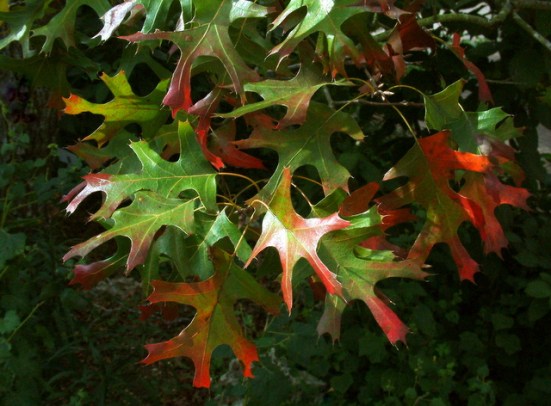
 Ask any 4-year-old what color leaves are, and they’ll confidently proclaim, “Green!” And green leaves are just fine, for the most part. We expect gardens to be basically green, from the verdant lawn to the tops of the trees (at least during the growing season). When it comes to plants, that glowing, chlorophyll-derived green implies life and health.
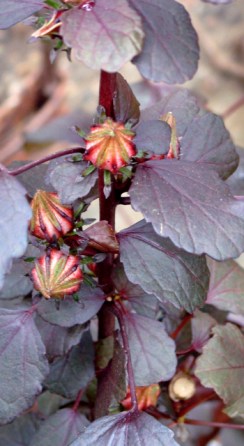
 Do you like flowers? Are you passionate about purple? If so, you can’t miss out seeing the newest themed garden at Denver Botanic Gardens. Carved out of previously inaccessible space, this small but packed area is dominated by purple in all its glory. From mauve to plum, through violet to amethyst, every shade of purple is represented by the variety of flowers chosen.
 Green beans. Orange carrots. Red tomatoes. How normal. How boring. One of the joys of growing your own veggies is that you can have some fun and mix up the colors. Beans come in yellow and purple as well as green. Carrots can be white, yellow, orange, or purple. Tomatoes come in green (such as Green Zebra), purple, orange, yellow, or even sporting saucy stripes. Even fresh corn on the cob (as opposed to the dried stuff) now comes in fun colors. Why settle for growing what you can easily find at the market, when so many other options are waiting?
 Mountain Plover