 Here it is the middle of winter, and garden pests are out of sight and out of mind. Yet, we know that those critters are out there, waiting for warm weather to bring out the first sprouts of spring—just so they can gobble them up! It’s a very good thing, then, that there are other creatures biding their time, waiting to eat those garden pests! I’ve already talked about bug-eating invertebrates. This time I’ll focus on those animals with some backbone, so to speak. Being biologically minded, I’ve sorted these helpful vertebrates by which taxonomic class they belong to.
Amphibians
 One of the most helpful animals to welcome into your garden is a toad. Like frogs and salamanders, their close relatives, toads eat tons of bugs, and they don’t need a pond to live in. Experts say they eat up to 100 bugs every day, and while they don’t discriminate between “good” bugs and bad ones (they’ll nab anything that moves), it’s nice to see cutworms, grasshoppers, flies, and slugs disappearing into their wide jaws.
(more…)

 I’m taking a break from blogging to bring you an important message from the Utah State University Extension. There seems to be an annual increase in gnome numbers immediately after Christmas, so this is timely information.

 How would you like a houseplant that isn’t fussy about food, water, light, or much of anything else, is ignored by pests, and looks good year round? If that seems too good to be true, then you haven’t met the Ponytail Palm. Granted, I have yet to see flowers, but with all its good points, who cares about flowers?
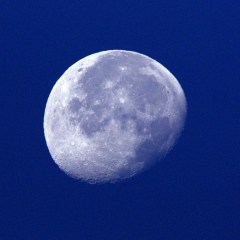 Magazines are full of articles, the Farmer’s Almanac publishes a yearly calendar to guide you, and my niece swears it works. What is it that’s so popular in the garden world? It’s the age-old practice of planting according to the phases of the moon.
 Everywhere we turn, we see red. Poinsettias decorate our homes, churches, businesses and stores. How did a tropical plant become such a pervasive symbol of Christmas? Are poinsettias poisonous? And what should I do with my plants once the holidays are over?


 Mountain Plover