

In honor of today being St. Patrick’s Day, I thought I’d celebrate “green” in the garden. No, I don’t mean about being environmentally friendly, although that’s certainly important. I’m talking about just plain green… as in chlorophyll-laden leaves.
This time of year, I’m pretty frantic for anything green. There aren’t many broad-leaved evergreens that tolerate Colorado’s winters. Even the conifers are more a blackish-olive drab—not nearly as nice as the “pine” of the decorating industry. Cold weather does that to leaves: many junipers turn plum-purple in winter. Leaves should not be that color. (Mahonia wears the same hue, but manages to look more attractive in it.) Hardy ice plant glows red, and ornamental grasses shimmer in copper and gold. Mostly, however, things look dull grayish brown, or just plain dead.

 This is the hardest time of the year for me. After growing up in California, I’m used to spring starting about now. I want to get growing now—not wait for two or three extra months! So today, in defiance of Colorado’s climate, I’m going to give you some crocus growing tips. Take that, winter!
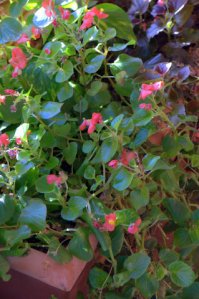 What plant thrives indoors, shrugs off low humidity, and blooms all winter in bold shades of white to pink to red? Surprise! It’s wax begonias!
 With giant, trumpet-shaped flowers facing outward around a central stalk, a blooming amaryllis makes an eye-catching houseplant. Colors range from white through pink to red (and even almost black), as well as salmon-orange. Stripes or contracting edges are common. “African” amaryllis have more compact forms suited to indoor cultivation. Dwarf amaryllis are smaller in size but can produce more blooms.
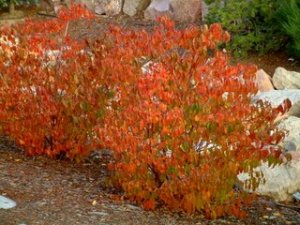 You’ve never noticed the shrub before. Its rounded green leaves and vase shape let it lurk unobtrusively in the background, where it may eventually grow to 15 feet tall and wide. Then, seemingly overnight, there’s a neon-fuchsia beacon glowing in the landscape. Fall has arrived, and the Burning Bush is on fire.
 Stands of bright gold aspen shimmering in the sunlight are a spectacular sight, so it is no surprise that many people plant aspen in their home landscapes. Sadly, aspen is probably not the best choice for local gardens. The same qualities that make aspen perfectly suited for colonizing mountainsides denuded by fire, rock slides and avalanches create problems in more constrained spaces.
 While most fall and winter berries are red, or perhaps dark blue, snowberries sport showy clusters of pristine white, berry-like fruit. If not eaten by the birds, the fruit will adorn the bare branches in winter. The upright, finely-branched shrubs are about three feet tall. Moderate growers, they are long-lived, with tiny pink, bell-shaped flowers that appear in early summer.


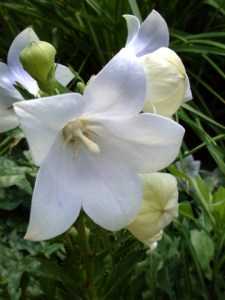 We may not be able to grow real balloons in our gardens, but Balloon Flower comes pretty close. Large buds shaped like inflated balls give Platycodon its common name, Balloon Flower. These buds open into showy blue, pink or white blossoms shaped like plump, five-pointed stars. The flowers adorn one- to two-foot tall vase-shaped clumps of oval green leaves.
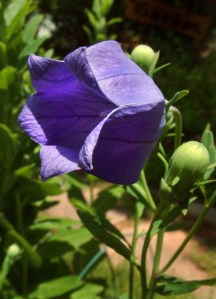 Grow Balloon Flower in well-drained garden soil amended with several inches of compost. Mark the spot so you remember where the plants will reappear in late spring. These perennials take several years to look their best, but your patience is rewarded with plants that live for twenty years or more. Because they stay neat and well-behaved, dividing is unnecessary; in fact, the roots hate to be disturbed. Established plants survive some dry periods, but prefer regular watering.
 Mountain Plover