

When Russian Sage (Perovskia atriplicifolia) first appeared on the scene, I jumped right on the bandwagon, extolling its virtues and recommending it for Colorado gardens. I even planted it in my own yard. And yes, this hardy perennial lived up to my expectations. It was tough, drought-tolerant, and the deer and rabbits left it alone. On top of that, late summer brought a wealth of gorgeous lavender blossoms that covered the plant’s ferny, silvery-gray foliage. What’s not to like?
I’ll tell you. The plant is a thug.
 Corn pudding and hush puppies, cornbread stuffing and succotash. If anything qualifies as authentic American cooking, it surely involves corn. We eat it fresh—still on the cob, creamed, and as the critical ingredient in corn chowder. We eat it dried and ground into cornmeal—in corn pone and muffins, as fritters and johnnycake. Domesticated for millennia, corn has come a long way from its teosinte roots.
 How do you like your flowers? Do you grow annuals? You have to replant them every year, but they grow quickly and bloom all season. Then they die with the first freeze. Or perhaps you prefer perennials. They continue from year to year, dying back to their roots in winter, then re-sprouting to bloom again. Their bloom season is short—some only bloom for a couple of weeks, others hang on for a month at best. In all the fuss over perennials vs. annuals, one category of flowers often gets overlooked—the biennials.
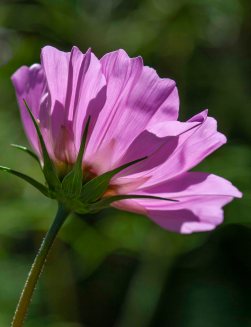 Do you enjoy big flowers with bright, showy colors and carefree maintenance? It’s hard to beat annuals for season-long impact. Whenever I think of annuals, I immediately think of cosmos, one of the very best annuals for Colorado gardens.
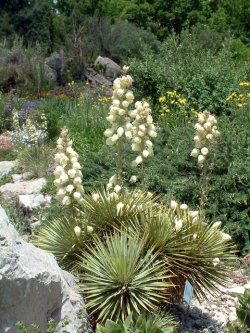 Yuccas are as much a part of the Colorado landscape as red rocks and towering peaks. I admit, I didn’t like them at all when we arrived 25 years ago. Yuccas? Yuck! But in the intervening years, they’ve grown on me. I now acknowledge that yuccas have their place—as long as it isn’t in my yard.

 Mountain Plover