
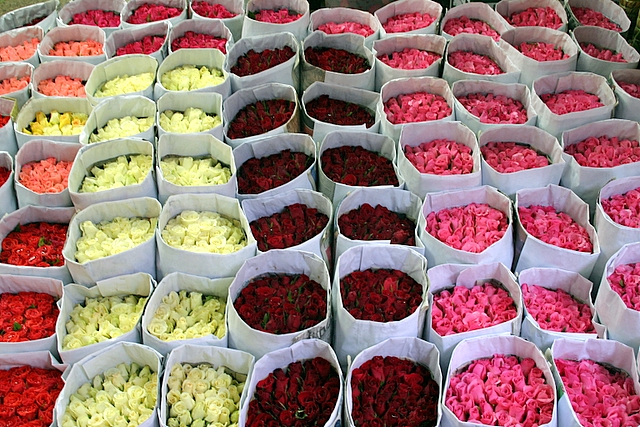
 Heading to the store to buy a dozen red roses for Valentine’s Day? How cliché! Everybody gives roses. Unless you know your sweetie is a rose aficionado, don’t follow the herd—dare to be different! Break out of your routine and expand your horizons. There are a lot of other flowers out there feeling pretty unappreciated right now.
Carnations
 I admit, I really don’t care that much for roses. I would much prefer a bouquet of carnations. They last twice as long—or longer. I think they smell better, too. And there’s something… unassuming about a dozen humble carnations in a plain white vase that appeals to me. (My husband is delighted I like carnations, as they’re much cheaper, too.) You can go for red, pink, white, or a combination perfect for Valentine’s Day, but they come in yellow and orange too. Other colors (green is popular around St. Patrick’s Day) are artificially induced. Placing a white flower in a vase of colored water does the trick.



 One of the most helpful animals to welcome into your garden is a toad. Like frogs and salamanders, their close relatives, toads eat tons of bugs, and they don’t need a pond to live in. Experts say they eat up to 100 bugs every day, and while they don’t discriminate between “good” bugs and bad ones (they’ll nab anything that moves), it’s nice to see cutworms, grasshoppers, flies, and slugs disappearing into their wide jaws.
 How would you like a houseplant that isn’t fussy about food, water, light, or much of anything else, is ignored by pests, and looks good year round? If that seems too good to be true, then you haven’t met the Ponytail Palm. Granted, I have yet to see flowers, but with all its good points, who cares about flowers?
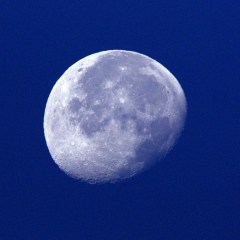 Magazines are full of articles, the Farmer’s Almanac publishes a yearly calendar to guide you, and my niece swears it works. What is it that’s so popular in the garden world? It’s the age-old practice of planting according to the phases of the moon.
 Everywhere we turn, we see red. Poinsettias decorate our homes, churches, businesses and stores. How did a tropical plant become such a pervasive symbol of Christmas? Are poinsettias poisonous? And what should I do with my plants once the holidays are over?

 Mountain Plover