
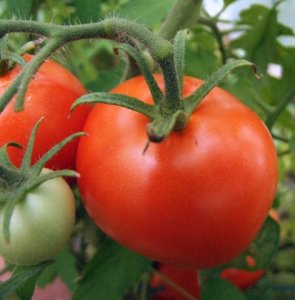
 Summer is just around the corner and the weather is (hopefully) settled. You’ve finally planted your tomato seedlings and you’re dreaming of luscious, red, ripe tomatoes—the sooner the better.
However, this is Colorado, and there’s no guarantee when it comes to growing tomatoes. Now that your plants are in the ground, what’s the best way to care for them to ensure the biggest, fastest harvest?
 Are you feeling stressed? Anxious, sad, or helpless? Are you suffering from high blood pressure, an elevated pulse, or tensed muscles? Most of us have today off. This is the perfect time to go play outside!
 The flowers could be considered somewhat pretty—a white or lavender tuft reminding me of cornflowers (aka bachelor’s buttons). The somewhat pretty flowers are probably the only positive aspect of these plants. A common noxious weed, knapweed is the bane of my garden.

 Today’s post is a simple reminder to gardeners hoping to grow something new and exciting. As gardeners, we’re always tempted by a special cultivar that is unusual, a bit out of the ordinary. Why else the hunt for black flowers—roses, or petunias—especially when the colors they do come in are so much prettier? I have a friend who paid a considerable sum for a yellow peony—just because most peonies are white, pink, or red.
