

Can plants hear? At first glance, this seems like a silly question. Plants don’t have ears, so of course they can’t hear. But wait—do organisms need ears to hear? What is hearing, anyway?
Given that sound consists of a series of vibrations that are propagated through air, water, or another substance, then hearing must be the ability to sense those vibrations. And while our ears are very good at sensing vibrations, there are other options.
 You’re out in the yard enjoying the garden, or lying in bed in the stillness of the night, when you hear them. It’s a unique sound, a resonant, nasal honking, sounding much like a high flying traffic jam. I may be challenged when it comes to distinguishing warblers or sparrows by their calls, but Sandhill Cranes are so distinctive, even I recognize them as they fly by. Summer is over, and the cranes are heading south. Since I’m in Colorado, their destination is likely Bosque del Apache National Wildlife Refuge, in central New Mexico, although they range as far south as Mexico and Cuba, and as far west as Siberia.
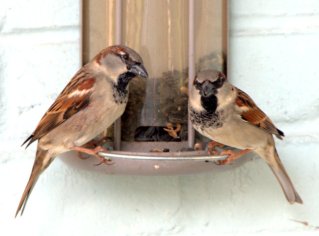 House Sparrows are frequently despised by North American birders. An invasive species, they commandeer nest cavities needed by native birds, hog feeders, and generally make a nuisance of themselves. Agricultural pests, they’re the target of various, and usually unsuccessful, “control” strategies, yet I have to admire this species. In spite of all our attempts at thwarting them, House Sparrows continue to thrive.
 While we haven’t had a hard freeze yet, the lack of warm sunshine is telling my plants that the season is about over. Poppy seedheads act like salt shakers—just invert and shake out the seeds. We missed harvesting some pole beans and they’re now overripe, the pods puffy and enlarged. I’m letting them dry on the vine.

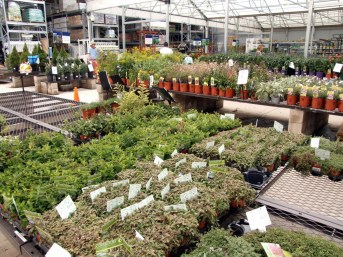 If the cooler weather and turning leaves haven’t alerted you, the calendar can’t lie. Tomorrow is the first day of autumn. Can our first frost be far behind? It’s tempting to let the change of seasons put a stop to gardening for the year, but there’s still much to do. (See my previous post on “
