

India is a fascinating country, diverse, multicultural, and intense. It assaults your senses. From the flavorful, spicy food to the bright colors, honking cars and trucks (it’s considered polite to let others know you’re there), and constant motion of both pedestrians and traffic, it’s easy to overload. I love India, but it wears me out!
We landed in Delhi after an uneventful flight from Bangkok, collected our baggage, and piled into a taxi for the ride to the hotel. Because we were there primarily for my husband to attend some meetings, any birding I managed to fit in would have to be local. Would I find any birds in a city of 25 million? (more…)
 We had our first hard freeze over a month ago. Most of the deciduous plants and perennials in my yard are now dormant—some with dry brown leaves still attached, others with bare stems. But remarkably, not everything looks dead. In fact, a surprising number of plants still sport green foliage.
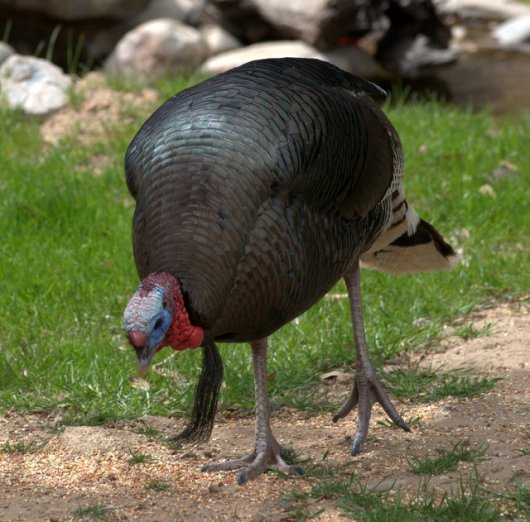


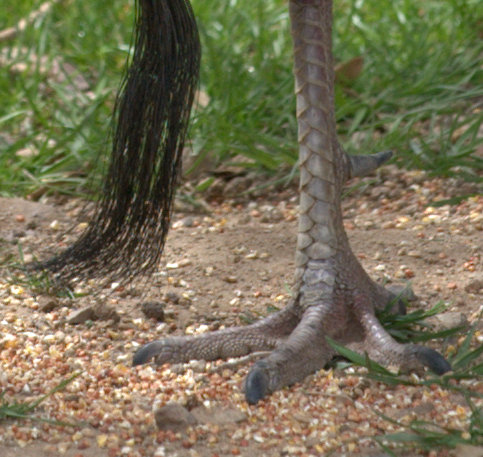
 Are you stressed? You should grow houseplants! Just ask all the experts. Try an online search and you’ll come up with almost two million sites claiming that growing plants reduces stress. Even the National Institute of Health has jumped on the bandwagon with a
 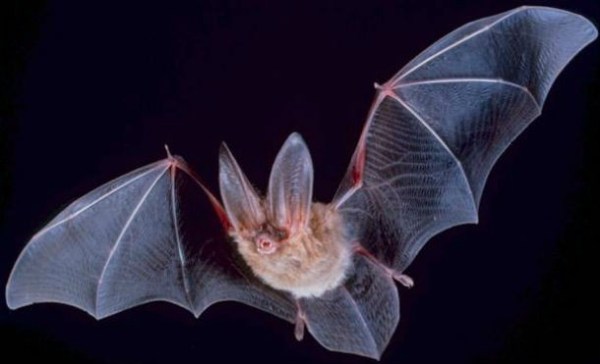 When you take a “bucket list” trip, there are certain places you very much want to visit, sights you’re eager to see, and experiences you don’t want to miss. When we went to Australia last year—a destination that had been on my bucket list since 1968—the number two item on my list was “see the flying foxes (aka fruit bats).” (Number one was to visit the Daintree rainforest, which as you will see, turned out to be an essential stop.)
 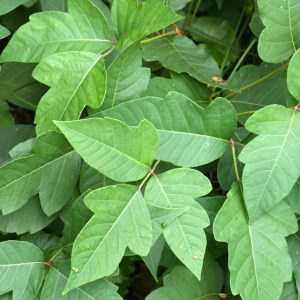 I was happily photographing wildflowers along the edge of a park in Ohio when our friend, a local, warned me, “Don’t touch that!” I looked down. That plant looked familiar—a sprawling, low-growing shrub with reddish stems and shiny green leaves, each comprised of three leaflets. Wasn’t that…?


