
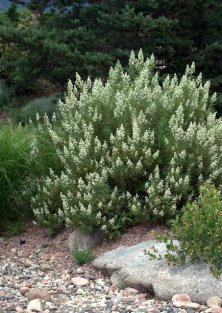
 From a distance, a blooming fernbush (Chamaebatiaria millefolium) resembles a lovely white lilac bush, but no lilac would be in bloom at this time of year. Growing to seven feet high and wide, these shapely shrubs are covered in upright sprays of showy white flowers from June through August. Individual blossoms are reminiscent of single roses, and attract bees and butterflies. Come autumn, the flowers are replaced by russet seed heads.
A closer inspection reveals reddish peeling bark and the aromatic, finely dissected leaves that give Fernbush its common name. Even in our cold climate, these leaves stay on the bush for most of the year; branches are bare for a mere three to four months each winter. Fall foliage is an attractive copper color.
 Brown Pelicans are saltwater birds, sticking to the coasts.
 Most landscapes look terrific in May and June. The leaves are fresh and new. From pink crabapples to purple lilacs, it seems as if everything is in bloom. The contrast with the lifeless browns and grays of winter is enough to send you cavorting across the glowing, emerald green lawn.
 Do carrots really love tomatoes? Do beans and onions hate one another? The internet (and my bookshelf) is full of anecdotal advice about which crops we should plant together, and which ones we should not.
 How do you plant a new tree? Most people know to dig a hole “twice as wide and deep as the root ball” (according to the label I found hanging from the branches), then stick in the tree, making sure the roots are well buried. Amend the backfill with plenty of compost, pile it over the roots and tamp it down firmly. Finally, securely stake the thin trunk so it won’t wiggle in the wind. Right?
 I sometimes wonder why God made mosquitoes. They’re so… annoying! No one enjoys getting bitten. It’s more than just the never-ending itch—they carry some very nasty diseases such as malaria, yellow fever, and
 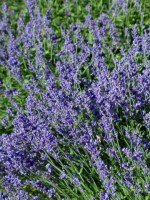 My Facebook feed is suddenly overflowing with lists of plants that supposedly repel mosquitoes. Just plant these flowers and herbs and your yard will be pest-free! Or, as one post on Pintrest claimed, “Plant a Mosquito Control container so you can sit and unwind in the evenings.” Unfortunately, anything that simple raises a red flag for me. Can controlling mosquitoes really be as easy as planting marigolds and lavender? It took some research to get past the hype, but I eventually found some scientific studies that look at this question.
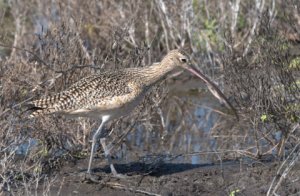 Cryptic coloration—the ability of an animal to blend in with its surroundings—has always fascinated me. Cryptic coloration is the reason there are so many brown, striped sparrows. It’s why female ducks and other species lack the bright plumage of their mates. It’s why birds show regional differences. And it’s why I almost missed seeing the Long-billed Curlew shown here.
