 Thanksgiving is past and we’re fully into the frenetic holiday shopping season. Birding websites and magazines will be running lists of gift ideas for birders—new binoculars, field guides and apps, birding accessories, etc. As a birder myself, I would certainly love to receive one of these items, but most of them are pretty expensive.
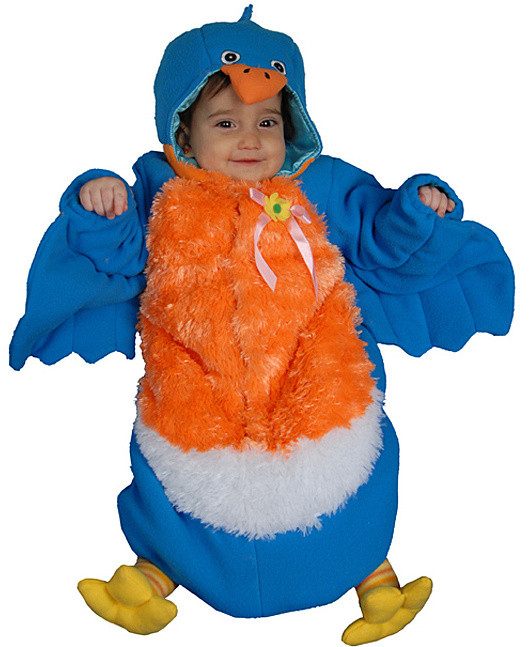
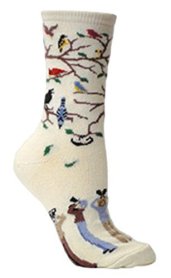
I’ve created a (very short) list of bird-related gifts which won’t break your wallet (they’re all under $25), ranging from silly stocking stuffers to practical clothing. These are just the beginning, a source of inspiration, as there are hundreds of bird-related gifts just waiting to be discovered.
 I just added bird #19 to my yard list. That may not sound like very many, but we only moved into our new house in May, and we had no landscaping until August. Birds are rarely attracted to bare dirt!
 Looking for year-round beauty and a plant that can handle a northern exposure, I planted six bearberries (
 I sprained my ankle last week. I wish I had a good story to relate, but I simply thought the ground was where it wasn’t. (Happily, I landed between the two thorn bushes!) As you can see, the bump was pretty impressive but the x-rays proved nothing was broken; now it’s simply a matter of time and patience. I’m sitting around with my foot elevated, popping anti-inflamatories and catching up on Facebook. I have to get better soon—our kids and grandkids are coming for Thanksgiving!
 As is frequently the case with questions about gardening, the answer is “it depends.”