
 It was like a bird-shaped ghost—we couldn’t quite believe our eyes. My friend Debbie and I were birding near Grand Junction, in Colorado National Monument—a spectacular place of sheer cliffs, rock pinnacles, and copper-colored sandstone.
We had stopped for lunch, and were alternately taking bites of our sandwiches and grabbing our binoculars. Blue-Gray Gnatcatchers, Rock Wrens, and Gray Vireos abounded. I was surprised to see Gambel’s Quail running under the junipers; I thought of them as living a bit more to the south. I was told that the species had been introduced to Western Colorado as a game bird.
 Is your garden being bugged? While 95% of all insects are either beneficial or benign, that last 5% can eat us out of house and home—or at least out of cabbage and broccoli. If insect invaders are on the attack, sometimes you just have to fight back.
 Right on schedule, I hear the shrill whistle of a Broad-tailed Hummingbird’s wings. I’m writing this on May 1, and I just had my first tiny visitor of the season—on the exact same date as last year. I’d hung the feeder a few days ago, just in case, but not one bird stopped by until today. Amazing.

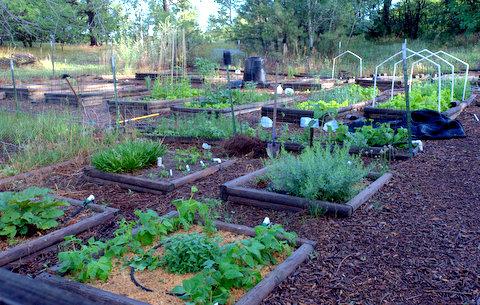

 Earth Day is this weekend, and what could be a more appropriate celebration than starting a vegetable garden. And for those of us in the Pikes Peak area, it’s finally time to get some dirt under our fingernails.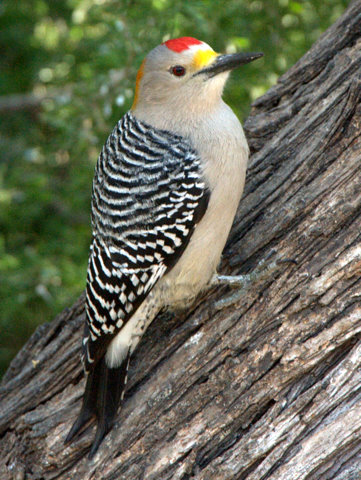
 One lovely afternoon many years ago, Pete and I were enjoying an outing to the slough at the mouth of the Salinas River, in central California. The trail was somewhat overgrown, and we were pushing through tall weeds looking for birds and other wildlife, when I suddenly realized there was a large, red tick crawling up his shirt.
