
 The quintessential “good bug,” ladybugs (aka ladybird beetles) are the poster child of the beetle world. Everyone knows that ladybugs eat aphids and other “bad bugs” (especially scale insects) and should be welcomed in the garden.
Actually, not all ladybug species are red. Some species are orange, yellow, white, black, brown, or gray. And not all ladybug species eat aphids, although most do. Some are even agricultural pests, such as the infamous Mexican Bean Beetle. Still, most ladybugs are red, and they eat vast numbers of aphids, as well as scales, mealy bugs, leaf hoppers, mites and other soft-bodied insects and their eggs.
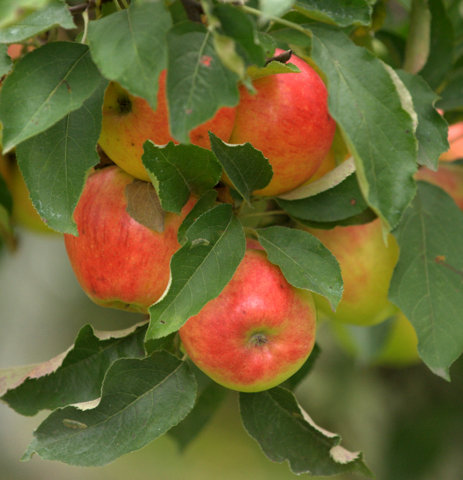
 Is your garden being bugged? While 95% of all insects are either beneficial or benign, that last 5% can eat us out of house and home—or at least out of cabbage and broccoli. If insect invaders are on the attack, sometimes you just have to fight back.
 Has your garden been assaulted by a plague of pink flamingos? Are your furrows full of gnomes? Maybe your problem is something as simple as a dreary winter landscape. Don’t despair, help is on the way. Even though traditional remedies may fail, extensive research has revealed a guaranteed solution to all of these garden woes.
 After a fox attack last spring, we’re down to only three aging hens and six five-month-old pullets. Instead of giving eggs to all our friends, I’ve had to buy them at the market. So this morning, after being out of town for the weekend, I walked out to the coop hoping to find an egg, or maybe two. Instead, there were close to a dozen!
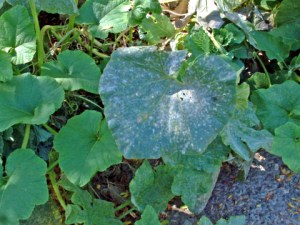 The huge zucchini leaf looked as if it had been dusted with flour. The man holding it was looking at me expectantly, waiting for my diagnosis. I was volunteering at our county’s Master Gardener helpdesk, providing free gardening advice to the general public. Sometimes we get stumped, but this time I immediately knew exactly what the problem was.

 With temperatures dipping into the low 20s and our first (finally!) snowfall, the bugs in our gardens are either dead or in hiding. But before we collapse into that comfy recliner with a garden book and a cup of tea, we need to take a good look at our houseplants. It might be winter outside, but indoors the bugs are having a field day.
 Mountain Plover