
 You probably remember learning about fall color when you were in elementary school. You know that leaves turn colors before they fall, and it had something to do with chlorophyll. But when is the last time you really thought about fall foliage from a botanist’s point of view?
As gardeners, we want to know which plants turn which colors so we can use them effectively in the landscape. Here in Colorado, most of us know that aspens turn yellow golden, Gambel’s (scrub) oaks become a flaming reddish orange, and burning bushes (Euonymus alatus) shine in stunning shades of fluorescent pink, purple, and red. But why exactly do they do that? And how?


 Spending time now on chores such as weeding and garden cleanup will reward you many times over when spring arrives.


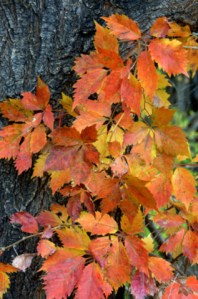 When we think of fall color, we usually think of trees—ash trees are bright yellow, aspen is gold, and oaks and maples are turning crimson. Or we might notice the incredible purple-orange-scarlet leaves on aptly named Burning Bush (Euonymus alata). Not many people expect impressive fall color from a vine.

 Mountain Plover