What Time Should I Expect You?

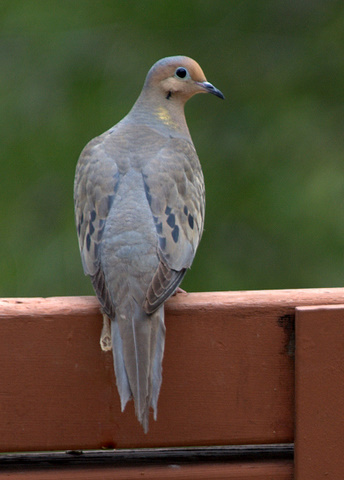
Mourning Dove_FCNC-CO_LAH_0385.nefWhen does migration bring new birds to Colorado? I’ve been pondering that question ever since I started birding. As a gardener with years of experience, I know when to plant each crop or flower. I know that 70° afternoons can be followed by 3° nights. Yes, April is like that—don’t be fooled.

But migration varies from species to species, and even sometimes from year to year. Instead of learning when to set out a dozen veggie varieties, I have to become familiar with the timing of hundreds of birds. For the most part, that’s still a huge mystery to me.

(more…)

Plant Some Spring Sunshine

Forsythia_DBG_20100417_LAH_2764Just when you don’t think you can stand another minute of bare branches or dead, brown-gray foliage, spring heralds its arrival in a burst of dazzling yellow. All over town, forsythias reassure us that the growing season really is at hand.

Originally from eastern Asia, where they have been cultivated for centuries, forsythias were collected for western gardens in the early 1800s. Most current garden varieties are hybrids of two species, Forsythia suspensa and F. viridissima. The problem is that the resulting cultivars aren’t reliably hardy in much of Colorado.

(more…)

Going Nature-ing

MtDiablo-CA_LAH_8608As birders, our goal when going birding is to see—birds! We may or may not have a target species we’re seeking, but a trip is generally rated as a success or a dud by the number of species we see. Rarities are a bonus.

But there’s another part of birding we might overlook. Just being out in the field means we have a shot at seeing other aspects of nature. Wildflowers and insects (especially butterflies and dragonflies) are garnering much attention these days, and for good reason. They’re just as interesting as birds, and more of a challenge. (Have you ever tried ID-ing a moth or beetle?)

(more…)

The Bluebird Effect—Not Just Another Nature Book

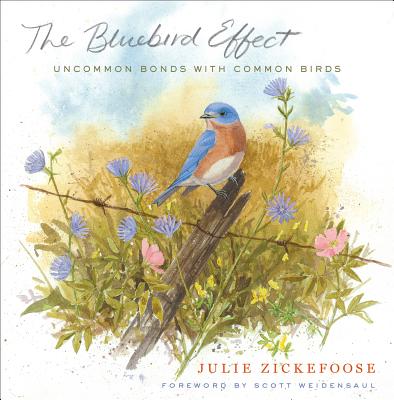
The Bluebird Effect, by Julie Zickefoose

Maybe birding results from having a “collection gene.” (At least a bird collection—aka a “life list”—doesn’t take up any space on a shelf, and as a bonus, it never needs dusting.) I don’t just collect birds, I seem to also accumulate books. Like many birders I have a shelf full of delightful books, each chronicling the nature experiences of an author. From a Victorian lady’s garden journal to the a thin volume exploring the seasons of the north woods, I can immerse myself in the great outdoors from the comfort of my favorite chair.

I have to admit, however, that many of these books work equally well as sleeping pills. Reading detailed descriptions of the weeds on someone’s farm just doesn’t generate the page-turning anticipation of a good adventure story.

(more…)

In With the Old?

Lettuce @BF 2008may30 LAH 003
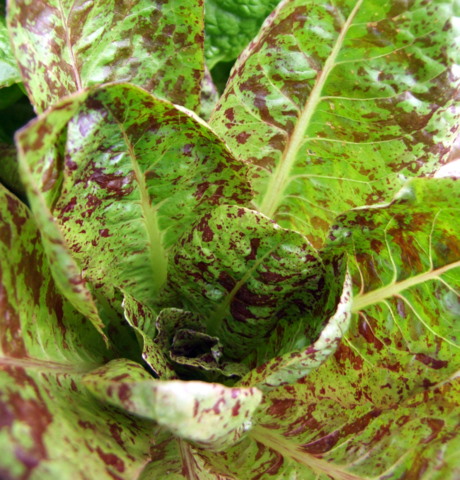
Heirloom ‘Freckles’ Lettuce

“Heirloom seeds are better, right?” It’s a question I hear a lot when I’m teaching classes on growing your own veggies. Just the term “heirloom” makes us think of precious family treasures, fine antiques. “Heirloom seeds” is a phrase that sells and many seed companies take full advantage of it.

Heirloom vegetables (or flowers) are varieties that have been in cultivation a long time—decades, if not centuries—and are still being grown today. They’re what your great grandmother would have sown in her garden. They’re the antiques of the gardening world.

(more…)

Mnemonics Fun

American Goldfinch, molting into breeding plumageTwo weeks ago I talked about bird song mnemonics, and how helpful they can be. Today being April 1, I thought we’d have some fun. Instead of my usual monthly bird quiz, I’ve assembled a list of 15 popular bird songs, translated into English. Can you identify the bird that says each phrase?

If that proves to be too much of a challenge, click on the “continued reading” button for a list of candidates. Answers are at the end, no fooling. Enjoy!

(more…)

Spring for an Easter Garden

Celebrate Easter. Celebrate spring. Sometimes it seems as if there’s a tension between the two. Some people think of cute little lambs and chicks, jelly beans and hollow chocolate rabbits. Others prefer to concentrate on the resurrection.

Spring and Easter do not need to compete for our attention. Budding plants, baby animals—they should all remind us of the new life possible because Jesus died and rose again. I don’t believe it’s a coincidence that the renewal of life and the resurrection of Jesus happened at the same time of year. (Of course, those living in the southern hemisphere miss out on this connection.)

(more…)

Nature’s Easter Eggs

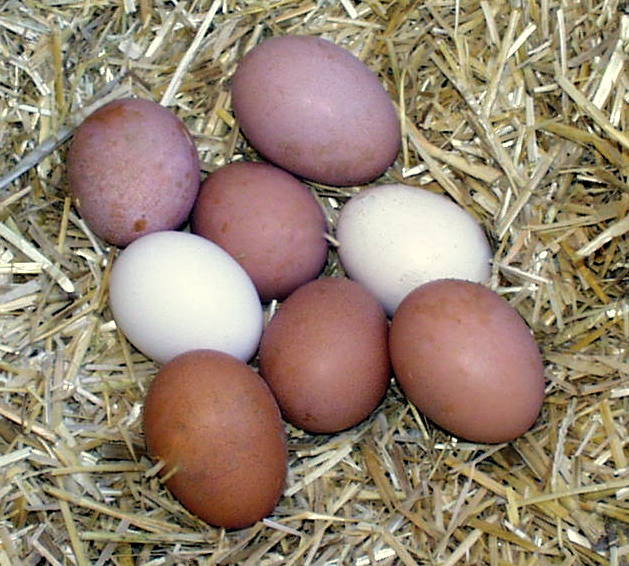
eggsWith many of us dying Easter eggs this week, I got curious about eggs that are naturally colored. We’ve raised chickens (Ameraucanas) that laid turquoise-to-olive eggs; our current flock of Black Sex-links lay in shades of tan. In fact, I usually have to buy white eggs at the store in order to achieve those pastel Easter hues.

But what about other kinds of birds? For instance, why do American Robins lay blue eggs, Burrowing Owls lay white eggs, while the American Golden Plover lays eggs that look like ovoid granite rocks, with big, black speckles on a white background? How and why do eggs come in so many colors?

(more…)

Timing the Garden

Seeds in baggies_LAH_6137The calendar may say “Spring” but here in Colorado it’s still winter. Still, the first signs of spring are there if you look for them. Days are getting longer. Birds are wearing their courting feathers and breaking into spontaneous song. Buds are swelling on bare branches. And gardeners are reemerging from their winter hibernation.

Hopefully, you’ve already tested any stored seeds for viability, then placed your seed order or picked from the racks at your local garden center. When your packets arrive, store them in a cool, dry place. I like to sort mine into zip-lock baggies, then arrange the bags in a clear plastic shoebox. Colorado is naturally dry, but reusing the bags of desiccant that come in products such as new shoes and purses will help in more humid regions.

(more…)