
You have to see these photographs.
I am very aware that there are hundreds, if not thousands, of emails making the rounds, not to mention blogs and other websites, all with cute or unbelievable photographs in them. This is not one of those.
Well-known photographer Igor Siwanowicz is in a class by himself. If I can manage to create photographs half as incredible as his are, I will consider myself an unbridled success.
The above link takes you to just 60 of his close-ups of insects and other small creatures. Each one is a work of art. Please take the time to look. You’ll be so glad you did.

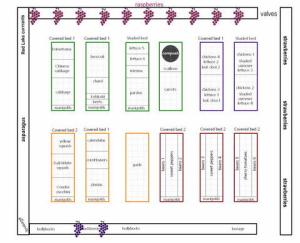 Are you tired of gardening? We’ve had a longer-than- average growing season this year, and the weather is still warm enough to encourage flowers to bloom and pumpkins to turn orange. If your kitchen counter is piled high with zucchini, and you’re actually getting a tad tired of vine-ripened tomatoes, this is the perfect time to plan next year’s garden.
 Stands of bright gold aspen shimmering in the sunlight are a spectacular sight, so it is no surprise that many people plant aspen in their home landscapes. Sadly, aspen is probably not the best choice for local gardens. The same qualities that make aspen perfectly suited for colonizing mountainsides denuded by fire, rock slides and avalanches create problems in more constrained spaces.
 For the first time in recent memory a flock of Lewis’s Woodpeckers has taken up residence near Colorado Springs. Only 11 miles south of Colorado Springs, they are busy harvesting acorns in the picnic area at Fort Carson’s Turkey Creek Recreation Area. These uncommon (at least along the Front Range) woodpeckers are attracting every birder in town. A couple of friends and I made our migration at dawn two weeks ago, hauling binoculars, spotting scopes, and at least 50 pounds of camera gear. We weren’t disappointed.
 This Friday, the Aiken Audubon Society and Bear Creek Nature Center will be airing “Ghost Bird.” If you live anywhere near Colorado Springs, Colorado, I highly urge you to come learn more about the elusive Ivory-billed Woodpecker, believed to be extinct since the 1940s. Does it still exist? Here’s what the movie’s creators have to say:
 The first crocus of spring. Sunny yellow daffodils naturalized under trees. Beds full of crimson tulips—it all starts now.
 Birders in the U.S. are supposed to hate European Starlings (Sturnus vulgaris), and there are plenty of reasons to do so.
 While most fall and winter berries are red, or perhaps dark blue, snowberries sport showy clusters of pristine white, berry-like fruit. If not eaten by the birds, the fruit will adorn the bare branches in winter. The upright, finely-branched shrubs are about three feet tall. Moderate growers, they are long-lived, with tiny pink, bell-shaped flowers that appear in early summer.


 Mountain Plover