
 If Spring brings courting birds, claiming territories and wooing mates with beautiful songs, July is the month of nestlings. Nature, in her efforts to reproduce herself, takes advantage of the abundance of food produced by a fruitful summer. A recent trip to the southwest parts of El Paso county (Colorado) confirmed that this has been a fruitful summer indeed. Everywhere we looked yielded an abundance of hungry nestlings and frenetic parents trying to keep up with the demand for food.
Our first stop, at Bear Creek county park, took us to a patient Broad-tailed Hummingbird, sitting dutifully on her nest. While the branch was over our heads—too high for a peek into the tiny cup-like nest—we guessed that the eggs hadn’t hatched yet. Perhaps this was a second attempt to reproduce, somewhat late in the season.


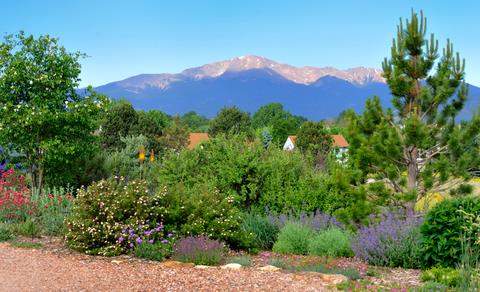


 Summer birding can be somewhat unproductive, but that doesn’t mean you should stay home in front of the air conditioning. So what if the birds are busy nesting and raising young? Birds aren’t the only attraction in the great outdoors.
 With the Gulf oil spill continuing to dominate the news, many conservation organizations are soliciting funds, ostensibly to help wild birds caught up in the environmental disaster. That is certainly implied by the (extremely misleading) picture to the left, gleaned from a well-known non-profit’s website. However, if you read the fine print on the donation page, it becomes clear that rather than being specifically targeted to the rescue of oiled birds, all these donations are simply being added to an organization’s general fund. As another website truthfully states:
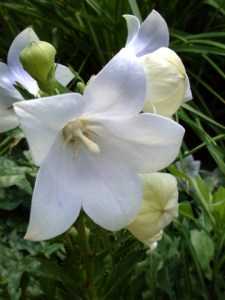 We may not be able to grow real balloons in our gardens, but Balloon Flower comes pretty close. Large buds shaped like inflated balls give Platycodon its common name, Balloon Flower. These buds open into showy blue, pink or white blossoms shaped like plump, five-pointed stars. The flowers adorn one- to two-foot tall vase-shaped clumps of oval green leaves.
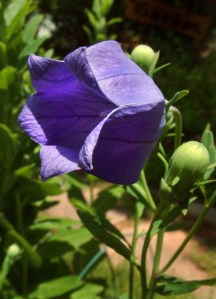 Grow Balloon Flower in well-drained garden soil amended with several inches of compost. Mark the spot so you remember where the plants will reappear in late spring. These perennials take several years to look their best, but your patience is rewarded with plants that live for twenty years or more. Because they stay neat and well-behaved, dividing is unnecessary; in fact, the roots hate to be disturbed. Established plants survive some dry periods, but prefer regular watering.
 Temperatures are climbing into the 90s, your spring-planted crops are reaching maturity, and you’re excited about garden fresh salads and new potatoes. Besides harvesting your bounty, there are millions of weeds to be pulled, poisoned, or decapitated. The last thing on your mind is planting more seeds.
 Mountain Plover