
 If the birds held a popularity contest, Bluebirds would probably win. Everyone loves them. Perhaps that’s because they’re so well mannered. They help us by eating the bugs that bug us. They take good care of their families, with the males defending their territories while the females fuss over the nestlings. And when the sun hits their feathers, just so, they shine with the most amazing sky blue.
It’s a good thing many people like bluebirds, because they could use our help. All three bluebird species have declined in numbers since the early 1800s. There are several reasons.
 Last summer we took a drive to Granby, just outside of Rocky Mountain National Park. While I had heard about the Mountain Pine Beetle for years, I was unprepared for the extent of the devastation. Entire mountainsides were covered in dead and dying pines, eerily resembling New England’s beautiful red fall foliage. But rather than deciduous maples and other hardwoods, these were conifers, largely ponderosas. They wouldn’t be turning green again come spring.
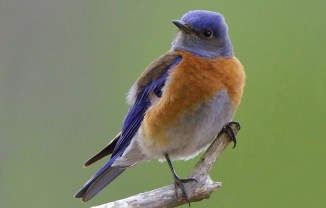 Everyone loves bluebirds, and for good reason. They are beautiful to look at, faithfully provide for their families, and eat thousands of insects that might otherwise damage our gardens. However, a lack of nest sites for these cavity-nesting birds has caused a serious decline in their numbers. If you, like me, would love to have a pair of bluebirds sharing your yard, it helps to know a little about what the birds prefer. How can you make your yard more bluebird-friendly?
 My focus changed because of the town of Karval. With Pikes Peak barely visible on the horizon, this tiny town in Lincoln County, an hour east of Colorado Springs, doesn’t fit the typical person’s image of a vacation destination. Yet, I had a wonderful time there.
 While we’re still shoveling snow and scraping windshields, bluebirds are thinking about spring. Colorado has three species of bluebirds, Eastern, Western (seen here) and Mountain, and all of them are what birders call “early nesters.”



 Mountain Plover