Can you name this bird? The photo was taken in Colorado in June. I will post the uncropped photo on Saturday, giving you one more chance to identify this bird. The answer will appear at the end of next Monday’s post.
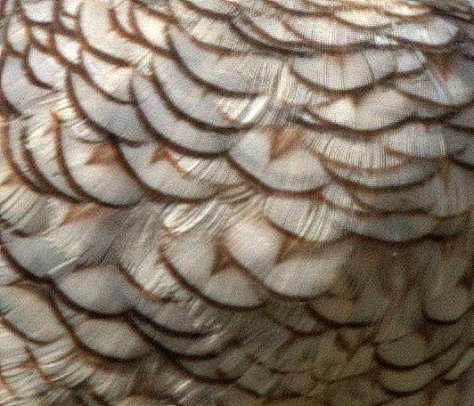

Can you name this bird? The photo was taken in Colorado in June. I will post the uncropped photo on Saturday, giving you one more chance to identify this bird. The answer will appear at the end of next Monday’s post.
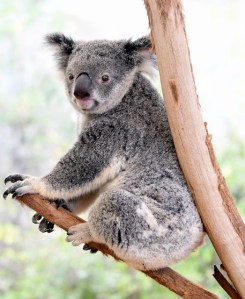 We had one day in Brisbane, and we chose to spend it at the Lone Pine Koala Sanctuary. We had spent twelve days exploring the east coast of Australia, and had yet to see a single koala. I wasn’t going to go home without a good look, even if it had to be at a zoo.
You might get the impression that the Lone Pine Koala Sanctuary only contains koalas, but in fact they have a wide range of indigenous Australian mammals, birds, and reptiles, plus an abundance of local birds who just come to visit for the free handouts. And while we certainly enjoyed seeing the koalas up close, I was just as thrilled by good views of a Tasmanian Devil, dingo, duck-billed platypus, and some extremely venomous snakes (safely behind glass). Plus, I got to pet an emu!
 Nesting season is upon us, and baby birds are everywhere. Some are cute, some are downright ugly, but all are endearing. Isn’t nature wonderful?
But sometimes, it seems as if Mother Nature has a problem. Not all baby birds survive to adulthood. Being caring individuals, when we see a youngster in trouble, our first inclination is to help. We’re hardwired to care for young animals, and our compassion kicks in. But once we’ve gathered up that forlorn ball of fluff, what do we do next?
 Last year, our son-in-law, Ian, fell when the ladder he was using collapsed out from under him. Given that his head had been more or less at the same level as the eaves of their single story house, it had accelerated to approximately 13 feet per second when it hit the cement patio. Unsurprisingly, the impact knocked him out. Thankfully, all he suffered was a severe concussion. It could have been much worse.
From our backyard, I have been watching a Northern Flicker make a hole in the mostly-dead oak tree next door. According to one website, the woodpecker’s beak is hitting that trunk at a significantly higher speed than Ian’s head was going when it hit the pavement—closer to 19 feet per second.
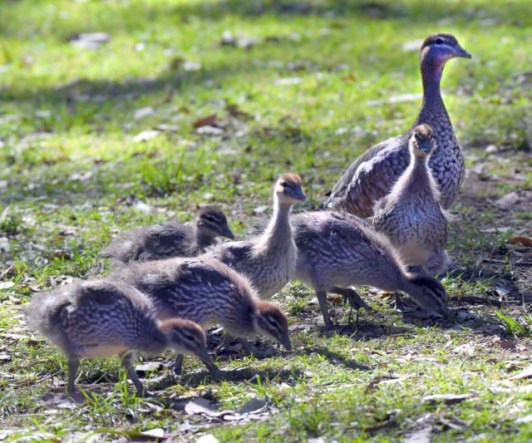
These photos are my Mother’s Day card to mothers, wanna-be mothers, and those who have (or had) mothers. Where would we be without you?

 “You can’t always get what you want…”
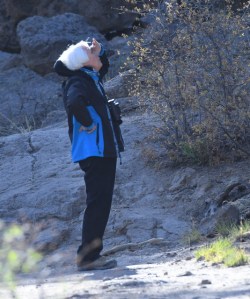
“I heard that there two Spotted Owls are being seen in New Mexico. I’m going to go look for them—do you want to come? How soon can you leave?” My friend Susan (left) had done a Big Year last year, but she was still missing this species and was keen on adding it to her North America life list.
I reread her text. What she was really asking me was, do I want to drop everything, pack an overnight bag, drive six hours, then hike down a steep trail in the hopes that we will be able to locate an owl that looks just like the tree it is sitting in?
If you were stymied on Monday, now can you name this bird? The photo was taken in Colorado in June. The answer will appear at the end of next Monday’s post.

Can you name this bird? The photo was taken in Colorado in June. I will post the uncropped photo on Saturday, giving you one more chance to identify this bird. The answer will appear at the end of next Monday’s post.

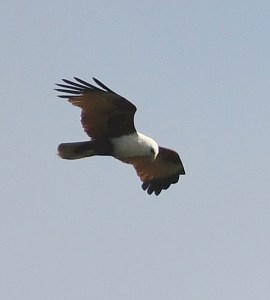 It was our final day on the coast of New South Wales, and I wanted to see shorebirds. We had stayed in Yamba, so after breakfast we headed for the beach. It was empty. No people. No birds. Just wind, and plenty of that.
Discouraged, I started to head back to the car when a large, blunt-headed black bird flew overhead, then landed in a near-by tree. I rushed over, camera in one hand and binoculars in the other. Yes, there it was—a Yellow-tailed Black-Cockatoo! It gave me an indifferent look, then went back to munching on the flowers while I clicked away.
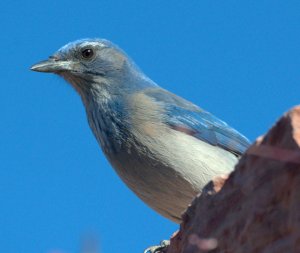 In case you haven’t heard, we have a new bird on the block. Last summer the familiar Western-Scrub Jay was split into two species—the California Scrub-Jay (Aphelocoma californica) and the Woodhouse’s Scrub-Jay (Aphelocoma woodhouseii).
 Mountain Plover