
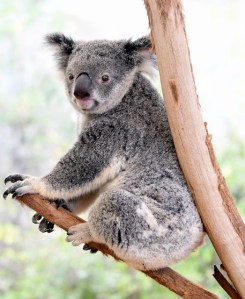
 We had one day in Brisbane, and we chose to spend it at the Lone Pine Koala Sanctuary. We had spent twelve days exploring the east coast of Australia, and had yet to see a single koala. I wasn’t going to go home without a good look, even if it had to be at a zoo.
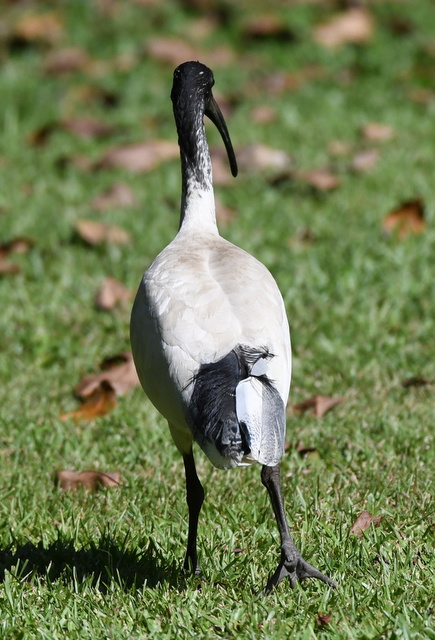
You might get the impression that the Lone Pine Koala Sanctuary only contains koalas, but in fact they have a wide range of indigenous Australian mammals, birds, and reptiles, plus an abundance of local birds who just come to visit for the free handouts. And while we certainly enjoyed seeing the koalas up close, I was just as thrilled by good views of a Tasmanian Devil, dingo, duck-billed platypus, and some extremely venomous snakes (safely behind glass). Plus, I got to pet an emu!

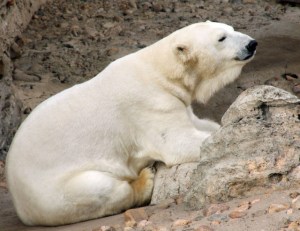 Save the monarchs. Save the rhinos. Save the polar bears. When I was growing up, it was save the whales. If you are on any conservation mailing lists, you know that there are plenty of beloved creatures in danger of extinction. Of course, these organizations all remind us that the way to save these poor, benighted creatures is to send money, lots of money.


 As you read this, my husband and I are on our way to the land of wallabies (right), waratahs, and wattles. Yup, we’re going to Australia! This amazing country has been on my “bucket list” since I was thirteen, and we’ve been saving for it forever. I might be just a teeny bit excited.
 While my husband wants nothing more complicated than a well-deserved hammock on the beach, I want to see the continent’s unique birds and plants. That means spending a lot of time outdoors, and that means that, besides the kookaburras (left) and kangaroos, there are a number of less-than-friendly creatures I might encounter.
 They can swim both forward and backward.
 With the high plains sizzling in 90+ degree heat, I was desperate to escape to somewhere cooler. Plus, I really wanted to see some birds. That’s why I headed to the hills—or, more accurately, mountains. There’s an advantage to living right next to the Rockies. In less than an hour, I was at 7,700 feet, surrounded by ponderosas, birding at Manitou Lake. A day-use area popular with the fishing crowd, this five acre lake is also a birding hotspot. You have to get there early, especially on weekends, but the abundance of wildlife is worth the extra effort.
 Mountain Plover