I love wild birds. And I love cats. I also adore little furry creatures (except when they’re pillaging my garden or raiding my bird feeders). How can an animal lover keep both the birds and the cats happy?


I love wild birds. And I love cats. I also adore little furry creatures (except when they’re pillaging my garden or raiding my bird feeders). How can an animal lover keep both the birds and the cats happy?

What has two big hind legs, two small front legs, a big tail, a pouch, jumps, and lives in Australia? I used to think the obvious answer to that was a kangaroo. Then I learned about wallabies. And wallaroos. Being thoroughly confused, I turned to the internet. Oh my.
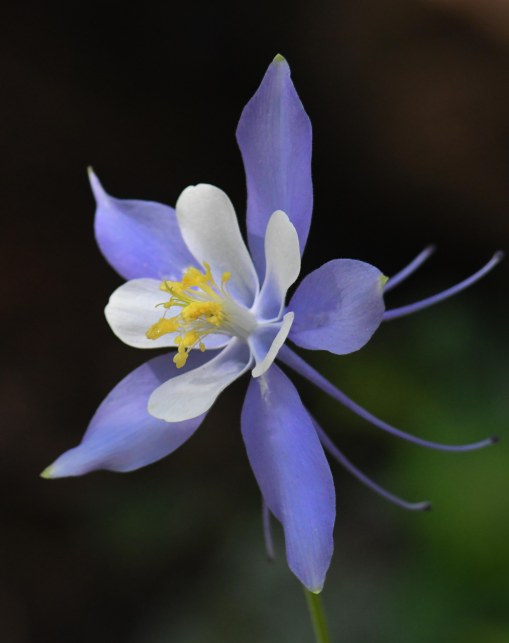
What do you do when you run out of birds to see? With around 10,000 different species, that may seem like a silly question. Who could ever see them all? Most of us will never have the prospect of traveling to every part of the globe looking for birds. (more…)
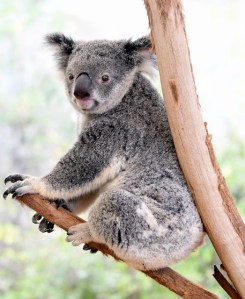 We had one day in Brisbane, and we chose to spend it at the Lone Pine Koala Sanctuary. We had spent twelve days exploring the east coast of Australia, and had yet to see a single koala. I wasn’t going to go home without a good look, even if it had to be at a zoo.
You might get the impression that the Lone Pine Koala Sanctuary only contains koalas, but in fact they have a wide range of indigenous Australian mammals, birds, and reptiles, plus an abundance of local birds who just come to visit for the free handouts. And while we certainly enjoyed seeing the koalas up close, I was just as thrilled by good views of a Tasmanian Devil, dingo, duck-billed platypus, and some extremely venomous snakes (safely behind glass). Plus, I got to pet an emu!
These photos are my Mother’s Day card to mothers, wanna-be mothers, and those who have (or had) mothers. Where would we be without you?

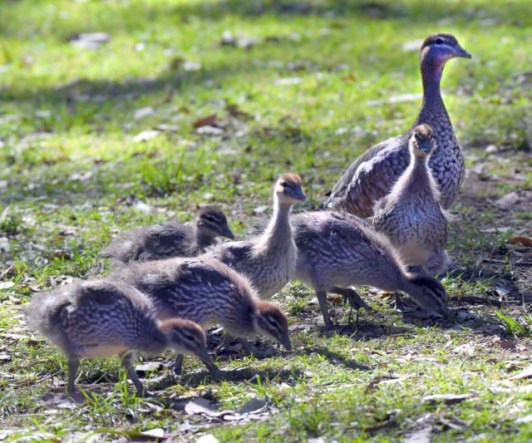
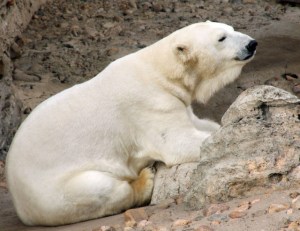 Save the monarchs. Save the rhinos. Save the polar bears. When I was growing up, it was save the whales. If you are on any conservation mailing lists, you know that there are plenty of beloved creatures in danger of extinction. Of course, these organizations all remind us that the way to save these poor, benighted creatures is to send money, lots of money.
This isn’t to say that these species aren’t in danger. And it isn’t that I don’t care about monarch butterflies, polar bears, or rhinos. I’ve been an environmentalist since my childhood, and I’m passionate about conservation.
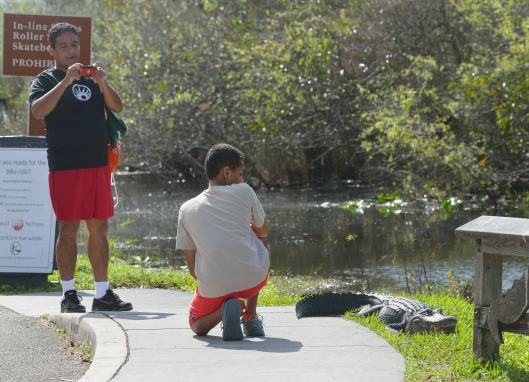
When it comes to wildlife, how close is too close?
We’ve all heard about the clueless tourists who want to snap a selfie with the bear or moose. All too often, someone ends up getting hurt. But you and I are sensible people who do not want to be spitted by a bull elk, or gored by a buffalo. So, how close should we approach these potentially dangerous animals?
As the year quickly passes into history, I traditionally post some “parting shots.” This year’s photos were all taken on our trip to Australia this fall. I hope they bring a smile as we finish 2016.
(You can see previous years’ pictures by typing “parting shots” into the search box in the upper right hand column.)
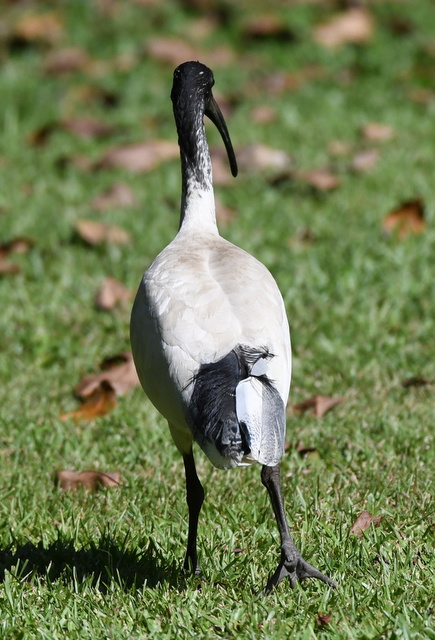


We’re all familiar with French hens, turtledoves, and partridges in pear trees, but do you associate Christmas with bellbirds, friarbirds, and currawongs? You might, if you live in Australia!
Having just visited this amazing continent (and we barely got a taste in three weeks!), I am delighted to share this distinctly Aussie Christmas carol with you. It was written by William Garnet James and John Wheeler, is sung by Bucko & Champs, and was posted to YouTube by Shirley Wookie.
Make sure your sound is on. I’m afraid the quality is rather poor, so don’t make the screen too big. And for the record, “orana” means welcome in an Aboriginal tongue.
_____
At top: Currawong (Faulconbridge, NSW, left), and Helmeted Friarbird (Daintree, QLD).
I’m often surprised by the lessons nature has to teach us. In honor of today being Thanksgiving, I offer you a word of advice from this hungry macaque I met in Singapore:
“Don’t bite off more than you can chew!”

Save

