I went on a short hike the other day, and I almost didn’t bring my binoculars.
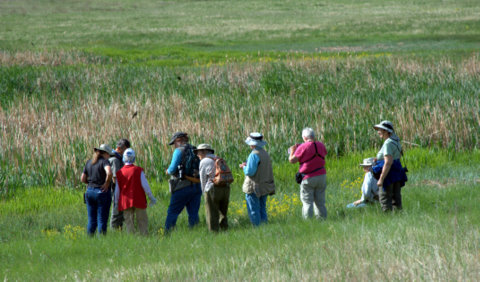
This is a pretty radical statement for an ardent birder to make, so let me explain. Even though the hike took place on property belonging to Audubon, our purpose was to look for wildflowers, not birds, and to create the beginnings of a plant checklist that would be added to in the following years. Specifically, my job was to photograph what we found.
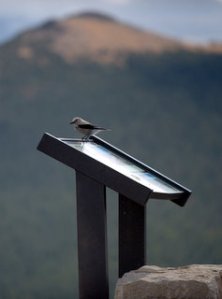
 I love living outside the city limits, but sometimes sharing our five acres with nature can have its challenges. I currently maintain seven bird feeders and a bird bath. Not only do we have lots of birds, but the availability of food and water brings in some unintended visitors as well.

 Specifically, a Penn State biologist named Tomas Carlo studied Japanese Honeysuckle (considered a noxious weed in much of the eastern US) and found that its presence increased the biodiversity of bird species as well as the number of individual birds. In fact, the fall berries are a major source of food for fruit-eating birds.
 If you are a serious birder, you probably keep a life list. As any collector understands, adding birds to that list brings a sense of elation, accomplishment and satisfaction. However, if you’ve been birding the same place for very many years, you probably have already seen most of the birds in your area.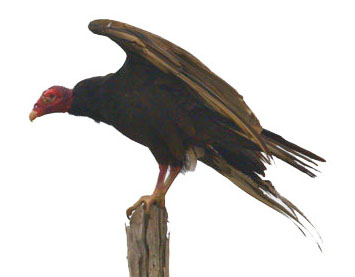
 What comes to mind when I describe a tree that has heart-shaped leaves, is in the poplar genus, grows well in Colorado and turns a brilliant gold in the fall? Chances are, you didn’t immediately think of cottonwoods. Yet, when it comes to putting on a show, cottonwoods are every bit as spectacular as their close kin, the aspen. In many ways, they are the other iconic Colorado tree. Find any stream, pond, or irrigation ditch, and chances are there will be at least one cottonwood growing next to it. They are riparian trees, and prefer to have their feet wet.