
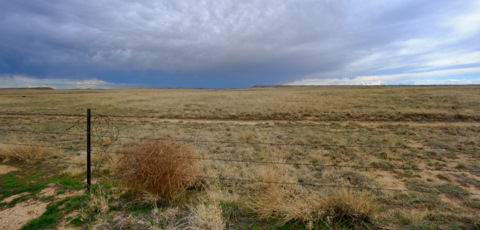
An iconic symbol of the West, tumbleweeds conjure images of cowboys, cattle drives, and barbed wire. They even have their own song—“Tumbling Tumbleweeds” was written by Bob Nolan in the 1930s, and seems to reappear as often as the weeds for which it’s named.
Yes, we’re all familiar with tumbleweeds. But, as a result of my Colorado Master Gardener training, I have insider information that will stun, shock, and astonish you. Tumbleweeds are aliens!
Yes, it’s true. Before the Europeans stumbled across the western hemisphere, there were no tumbleweeds on the plains. Of course, there were no cowboys, either—no horses, no cattle, and no chuckwagon bean dinners. Tumbleweeds arrived, not in flying saucers, but in seed shipments from Europe and Asia.
 After my recent post about spiders, and how I’m struggling to tolerate them, it might come as a surprise that I (unlike my husband) am deeply fond of snakes. Phobia—and love—know no logic.
 Summer birding can be somewhat unproductive, but that doesn’t mean you should stay home in front of the air conditioning. So what if the birds are busy nesting and raising young? Birds aren’t the only attraction in the great outdoors.
 Vast open spaces, blooming yucca, and constant wind were our companions on a recent hike to Corral Bluffs, an area under consideration as a new El Paso county park.
 If you feed them, they will come. Anyone who puts sunflower seeds into a birdfeeder sooner or later has to contend with squirrels. And if you grow a garden—well, squirrels like many of the same foods we do, plus flowers, tulip bulbs, and numerous other plants. The question isn’t whether or not you’ll have squirrels in your yard. You will. The question is, what are you going to do about them?

 Last summer we took a drive to Granby, just outside of Rocky Mountain National Park. While I had heard about the Mountain Pine Beetle for years, I was unprepared for the extent of the devastation. Entire mountainsides were covered in dead and dying pines, eerily resembling New England’s beautiful red fall foliage. But rather than deciduous maples and other hardwoods, these were conifers, largely ponderosas. They wouldn’t be turning green again come spring.
 While we’re still shoveling snow and scraping windshields, bluebirds are thinking about spring. Colorado has three species of bluebirds, Eastern, Western (seen here) and Mountain, and all of them are what birders call “early nesters.”

