
Warmer days flirt with gardeners anxious to get outside and plant something, anything. But the harsh reality of cold nights, coupled with the persistent chance of frost—or even more snow—intrudes on our dreams of summer. It’s far too soon to be trusting Mother Nature with frost tender petunias, geraniums, or marigolds, but there are some annuals that can handle a bit of cold. Don’t expect them to survive wintry extremes, but they should still be alive and flourishing after lows in the 20s.
Pansies
 Annual members of the violet family, pansies are much hardier than they look. Hot and sunny summer days will fry them to a crisp, so now is the time to enjoy them. Pansies prefer enriched soil, and will do fine in full sun or light shade, as long as the weather stays cool. They are slow to start from seed, so buy transplants. Their small size makes them perfect for edging, or group them in containers where they won’t be overlooked. With colors ranging from deep purple and burgundy to pastel pinks, soft peach, and cheerful yellow and white, you can find just the right cultivar to fit any landscape scheme.
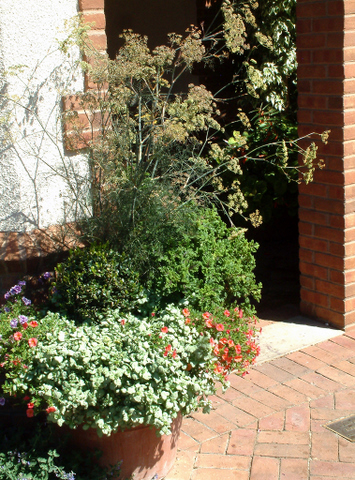


 How would you like to have a flock of robins outside your window? How about other thrushes, waxwings, sparrows, towhees, or vireos? Want to add Western Tanager to your yard list?
 It’s November. Bushes have bare branches, perennials are dead, dried stalks. Except for a few hardy groundcovers and various conifers (pines, junipers, and the like), the landscape is asleep. Except… wait! Are those daffodils in that flower bed? And does that window box really have bright red, white and blue flowers in it at this time of year?
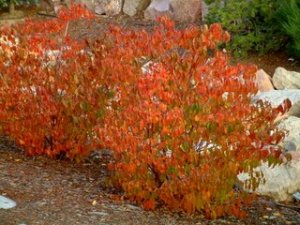 You’ve never noticed the shrub before. Its rounded green leaves and vase shape let it lurk unobtrusively in the background, where it may eventually grow to 15 feet tall and wide. Then, seemingly overnight, there’s a neon-fuchsia beacon glowing in the landscape. Fall has arrived, and the Burning Bush is on fire.
 The tiny bird fluffs its feathers against the cold, while the north wind whips sleet into the pine branches surrounding its perch. With all water sources frozen, it has to use precious body warmth to melt the snow it eats. Last year’s crop of seeds is buried under a layer of white. Wild birds are amazingly hardy creatures, but even the sturdiest Mountain Chickadee (above) finds conditions like these a challenge.
 Mountain Plover