What to Grow?

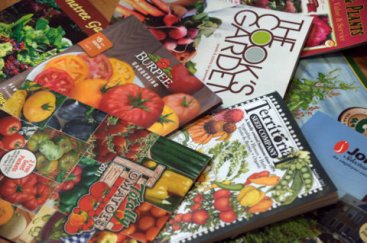
Seed catalogs_LAH_2733January. The start of a new year. The start of a new garden. As I contemplate my empty veggie beds, I feel like a race car driver waiting at the starting line. “Gentlemen (gentlewomen?), start your engines!”

This year is truly new in another way. We moved last year, and I no longer have a my huge veggie garden. I used to have twelve, 4ˈ x 12ˈ beds, plus four 4ˈ x 4ˈ herb beds, plus a series of 2ˈ wide border beds around the entire area, ideal for pole beans, peas, and perennials (lovage, currants, berries, asparagus). Now I have two, 4ˈ x 10ˈ raised beds. Two. Well, we intended to downsize, right?

(more…)

Snowy Blankets

Snow-covered yard_NSFT_COS_LAH_9309We have a lot of snow in our front yard. It may not seem like much to those who live in Minnesota, upstate New York, or Maine, but for us here along the Front Range of the Rockies, it’s a lot of snow. Colorado is dry. Colorado is sunny. We don’t get all that much snow, and what we do get melts the next day. The “real” snow is supposed to stay up on the ski slopes, not in our front yards.
When we picked out a lot for our new house, we were thinking about a longer growing season from our south-facing backyard, the spectacular view of Pikes Peak out the living room picture windows, the warmth of sunshine filling our bedroom. We carefully oriented our house to take advantage of all these.

(more…)

Colorado’s Iconic Blue Spruce

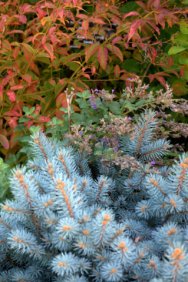
Bowman's Root and Blue Spruce_DBG_LAH_4163Colorado has a love affair with the blue spruce (Picea pungens). Perhaps we’re enamored with the striking, steel-blue tint to the needles, and the way the color causes fall’s orange leaves to glow. Perhaps we appreciate the towering, pyramidal shape of a mature tree, or the short and squat dimensions of a dwarf cultivar.

A number of gardeners I’ve talked to added a blue spruce to their yard because it’s Colorado’s state tree. Blue spruces may not be the easiest species for Front Range landscapes, but they’re definitely worth the effort.

(more…)

Gardening Advice: Clearing Up a Few Misconceptions

Raised bed along walkway @DBG 2008jun26 LAH 106In my recent web-browsing, I’ve come across some garden advice that made me stop, blink, and yell loudly at my screen, “No, you idiot, that’s not true!” Since I didn’t want to be the only one yelling at my computer screen, I thought I’d share some of this sage advice with you, along with what I think about it. Besides, we’re all idiots until we learn better!

Don’t throw your eggshells away. They are great for the garden in so many ways! And they’re a cheap way to make diatomaceous earth. (Bugs don’t like it)

(more…)

Boozing Your Bulbs

Daffodil in snow_LAH_ 004Your knees were creaking and your back was aching, but your bulbs were now nestled in their holes, safely underground, waiting for spring. All winter, with its bare branches and mono-colored landscape, you dreamed of sunshiny daffodils, pastel hyacinths, an entire palette of tulips. Then, finally, the weather warmed and the first green leaves appeared. With mounting anticipation, you checked the daily progress of those early flowering bulbs. And then—finally!—the buds appeared, the flowers opened… and flopped over.

(more…)

Green Leaves, Red Berries, Kinnikinnick!

arctostaphylos-uva-ursi-kinnickinnick-bearberry-csutilxeriscapegarden-9aug2006-lah166 Looking for year-round beauty and a plant that can handle a northern exposure, I planted six bearberries (Arctostaphylos uva-ursi) in our front yard this summer. Also known as kinnikinnick, bearberry is a good choice for Colorado, where it is native to the foothills and mountains. So far, I’m delighted to report that the plants are thriving. In fact, I can see a few green leaves poking up through the two feet of snow we got this week!

For our front yard, I wanted some plants that would stay green all year. Picking a few conifers was easy, even without resorting to junipers (which are not among my favorites!). Hoping for some variety, I wanted broadleafed evergreens too, and there aren’t many to choose from.

(more…)

White Frost, Green Leaves

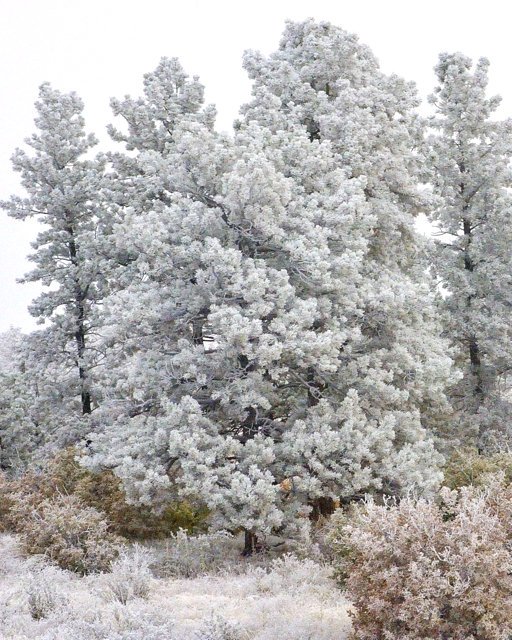
Rime on trees_BlkForest_20091011_LAH_3876We’ve been enjoying some glorious autumn foliage these past few weeks, but there are plenty of plants that remain stubbornly green. In fact, their leaves stay green no matter what the season—that’s why we call them evergreens. With winter just around the corner, I began to wonder—how do evergreens survive our cold winters? Why don’t they lose their leaves?

(more…)

Kintzley’s Ghost is Hauntingly Beautiful

Lonicera reticulata_Kintzley's Ghost Honeysuckle _DBG_LAH_1711You’ve put out the jack-o’-lantern, there are mysterious eyes blinking in the hedge, and spider webs festoon the front porch. It’s almost time to greet thus year’s trick-or-treaters. You think you’re ready, but there’s a good chance that you’re missing the pièce de résistance, the perfect, spooky vine to frame your doorway. You need to plant Kintzley’s Ghost honeysuckle!

This 2006 PlantSelect™ winner is the perfect plant for Colorado gardens, and not just because of its Halloween-evoking name. A cross between two Midwest natives, Lonicera reticulata (Grape Honeysuckle) and L. prolifera (Yellow Honeysuckle), this hybrid depends on weekly watering in more arid regions. Plants are hardy in USDA zone 4 through 8. Not fussy about soil, they thrive in full sun, but also tolerate afternoon shade. Another plus—the blue-green foliage is deer-resistant.

(more…)

Epsom Salts in Colorado: NOT

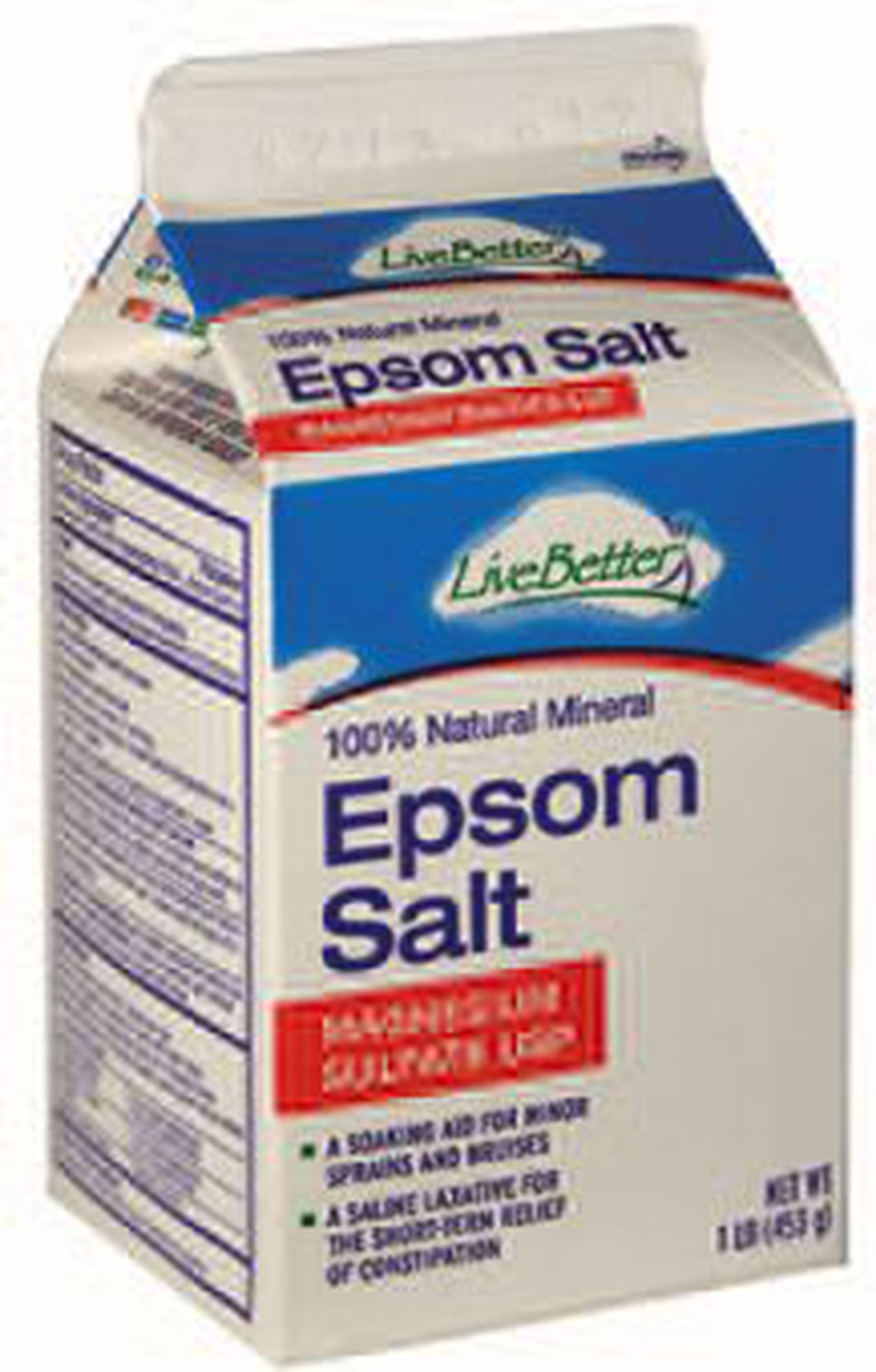
epsom saltsEpsom salts are often recommended as ways to improve your garden. A quick Google search turned up claims that they will improve seed germination, increase the size and number of flowers, reduce fruit drop, increase nutrient absorption, counter transplant shock, green up your lawn, prevent leaf curling, deter slugs, kill weeds, grow sweeter fruit, produce sweeter tomatoes with fewer problems such as blossom rot, increase pepper yields, and result in more and bigger roses on healthier plants. Wow. With benefits like these, we should all be putting Epsom salts in our gardens!

(more…)