Don’t Salt the Soil!

YampaRiverBotanicPark-CO_LAH_6919

We all know that it’s a bad idea to pour salt on the ground in our gardens. After all, that’s what invading armies did—they salted the ground, effectively sterilizing it and therefore starving the population. Even the ubiquitous recipe for “Homemade All-Natural Weed Killer”—you know, the one with salt, vinegar, and Dawn detergent (and since when is Dawn “all natural”?)—warn against using the concoction where you want other plants to grow. Salt in the soil is bad news for gardeners.

Yes, you wouldn’t intentionally spread rock salt on your dirt, but that’s only one way to end up with soil too salty to support plants. There are other, more insidious ways to salt your soil. (more…)

Beautiful Buttercups

Buttercups. The word brings to mind a field of yellow flowers, or perhaps a young girl sniffing the flower and dusting her nose with pollen. And indeed, some of the flowers in this family, the Ranunculaceae, do make you think of a little cup filled with bright yellow butter. And some don’t.

(more…)

Just the Facts, Please

Purslane_Tyndale garden-ColoSpgs-CO_LAH_2881

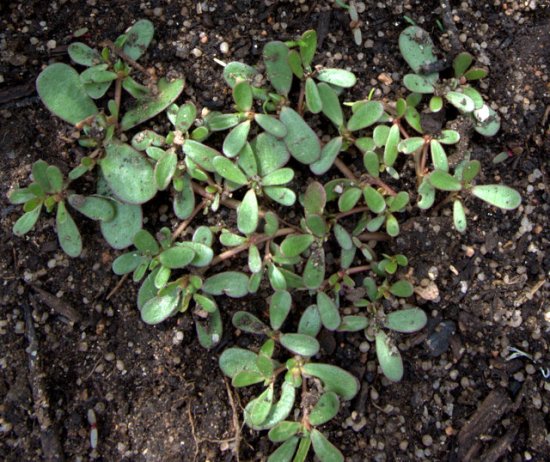
A few weeks ago, I wrote that I intended to verify claims that purslane (Portulaca oleracea) has “amazing health benefits.” I had read an article about this supposedly nutritional plant that seemed a little too good to be true. Being ever the skeptic, I dug in—and learned some things. I’ll use this as a case study on how to verify health claims that you read online. (more…)

August’s Yellow Flowers

Sunflowers_RedLionSWA-LoganCo-CO_LAH_2282

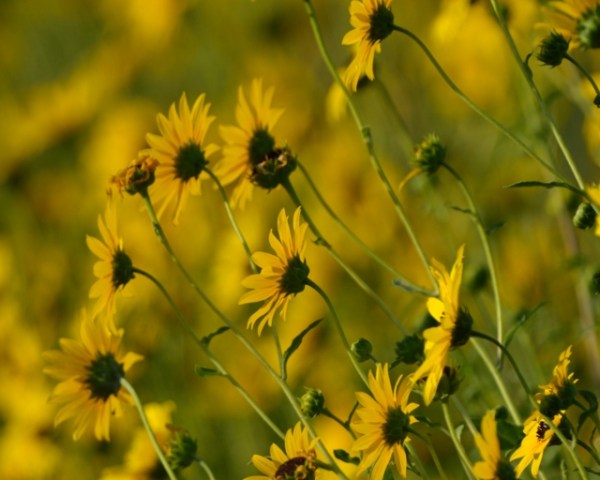
What is it with August and yellow flowers? Last week Pete and I revisited the Yampa River Botanic Park in Steamboat Springs. As I expected, the gardens were in full bloom—dazzling in the clear mountain sunshine. As I strolled the pathways, I noticed expanses of Coreopsis, clumps of Rudbeckia, beds of sulfur-yellow buckwheat (Eriogonum), and sprays of goldenrod. And that’s when I realized that the majority of blooms were in some shade of yellow.

(more…)

pH for Gardeners

To a gardener choosing which plants to grow, pH is an important consideration. While the pH of most soils falls somewhere between 3 and 9, the majority of common landscape plants prefer a pH slightly on the acidic side, say 6.2 to 6.8. However, some plants, such as blueberries and rhododendrons, prefer an even more acidic soil (with a pH in the 5 to 6 range) and other plants, green ash trees and clematis, for example, do best under more alkaline conditions, with a pH above 7.

(more…)

Campanulaceae: Beautiful Bellflowers, Lovely Lobelia

Campanulaceae is a family of plants with members ranging from the towering palm-lobelias of Africa to cottage garden flowers with names from a child’s book of fairytales: Canterbury bells, Cup and Saucer Vine, Harebells, and Fairy’s Thimbles. Two familiar genera, Campanula and Lobelia, are members of this family.

(more…)

Hydrangea Heaven

Hydrangea_LakewoldGardens_Tacoma-WA_LAH_4511r

I just spent two weeks in the Pacific Northwest. Since our daughter and her family live there, we visit frequently, but typically at Thanksgiving or in mid-winter. This time we managed to arrive in July. What a treat! With blue skies, light breezes, and puffy white clouds, the weather was (mostly) perfect. All that rain during the fall, winter, and spring results in stunning summer gardens, with emerald green lawns and towering trees. And the flowers! Yes, the rhodies and azaleas were done, but the hydrangeas were in full bloom. Everywhere we looked, we saw huge flower clusters of bright pink, magenta, white, and most noticeably, pure sky blue.

(more…)

Red, White, and Blue Berries

What kind of fruit comes in red, white, and blue? Berries, of course!

Blueberries are a huge treat. Our daughter in western Washington grows them by the bucketful, although our granddaughters have a habit of grazing on them in the backyard, so they don’t always make it into the kitchen.

(more…)