
 I’m really not a fussy eater. While I draw the line at some animal parts (Rocky Mountain oysters, anyone?) and various invertebrates (no deep-fried scorpions in my diet!), I’m not nearly as fussy about dining on plants. Of course, I think some plants taste better than others—I’m a big fan of broccoli, artichokes, and papayas, for example, while I tend to avoid cucumbers and those bitter Italian greens—but for the most part, if it’s prepared well, I’ll eat it.
Except.
I don’t do okra. I’ve had okra (also known as lady’s fingers or gumbo) in soups, stewed, curried, stir-fried, roasted, deep fried, and in various other random recipes that my friends—skilled in the culinary arts—assured me I’d love. All I can say is, they were wrong. I admit, I like the flavor. No problem there. But the slime gets me every time.
 Green beans. Orange carrots. Red tomatoes. How normal. How boring. One of the joys of growing your own veggies is that you can have some fun and mix up the colors. Beans come in yellow and purple as well as green. Carrots can be white, yellow, orange, or purple. Tomatoes come in green (such as Green Zebra), purple, orange, yellow, or even sporting saucy stripes. Even fresh corn on the cob (as opposed to the dried stuff) now comes in fun colors. Why settle for growing what you can easily find at the market, when so many other options are waiting?
 Some gardeners plant the same varieties year after year, depending on past performance to guarantee future success. Why mess with something that works? Others, myself included, like to try the latest cultivars. We’re always searching for that new and improved flower or vegetable that will make this year’s garden the best ever.
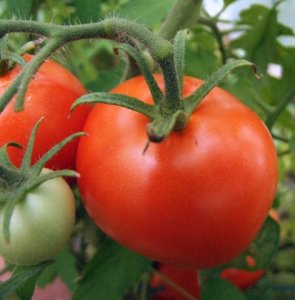 Summer is just around the corner and the weather is (hopefully) settled. You’ve finally planted your tomato seedlings and you’re dreaming of luscious, red, ripe tomatoes—the sooner the better.
 Today’s post is a simple reminder to gardeners hoping to grow something new and exciting. As gardeners, we’re always tempted by a special cultivar that is unusual, a bit out of the ordinary. Why else the hunt for black flowers—roses, or petunias—especially when the colors they do come in are so much prettier? I have a friend who paid a considerable sum for a yellow peony—just because most peonies are white, pink, or red.
 I was wrong. Hard to admit, but there we have it. I passed on advice from those I deemed older and wiser than I am, and they were wrong too. But hey, none of us knew any better. Then.
 Sometimes I think January is my favorite month of the gardening calendar. Temperatures plummet and the ground is frozen solid. Anything at all frost-tender succumbed to the cold months ago. My raised beds look suspiciously like burial vaults covered in mulch. Yet, in my mind’s eye, my 2018 veggie garden is flourishing.
 While we haven’t had a hard freeze yet, the lack of warm sunshine is telling my plants that the season is about over. Poppy seedheads act like salt shakers—just invert and shake out the seeds. We missed harvesting some pole beans and they’re now overripe, the pods puffy and enlarged. I’m letting them dry on the vine.
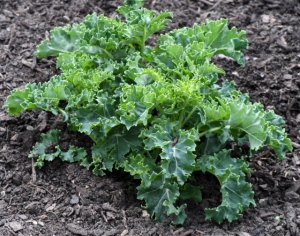 We were gone last fall, so I never got around to pulling out last summer’s freeze-killed veggies. It turns out that was a good thing. With no protection at all, my Starbor kale roots survived our Zone 4 winter, and new growth is appearing from a dead-looking stump. I expect the kale plants to bolt as soon as it warms up a bit more, but in the meantime, I’m harvesting kale now. I plan to include kale in my garden again this year, starting seeds inside and setting out plants in late June to mature in September and October, after frost sweetens the leaves. You can bet I’ll leave those plants in place next fall, maybe with a bit of mulch or a row cover, for yet another early harvest.
  Mountain Plover