
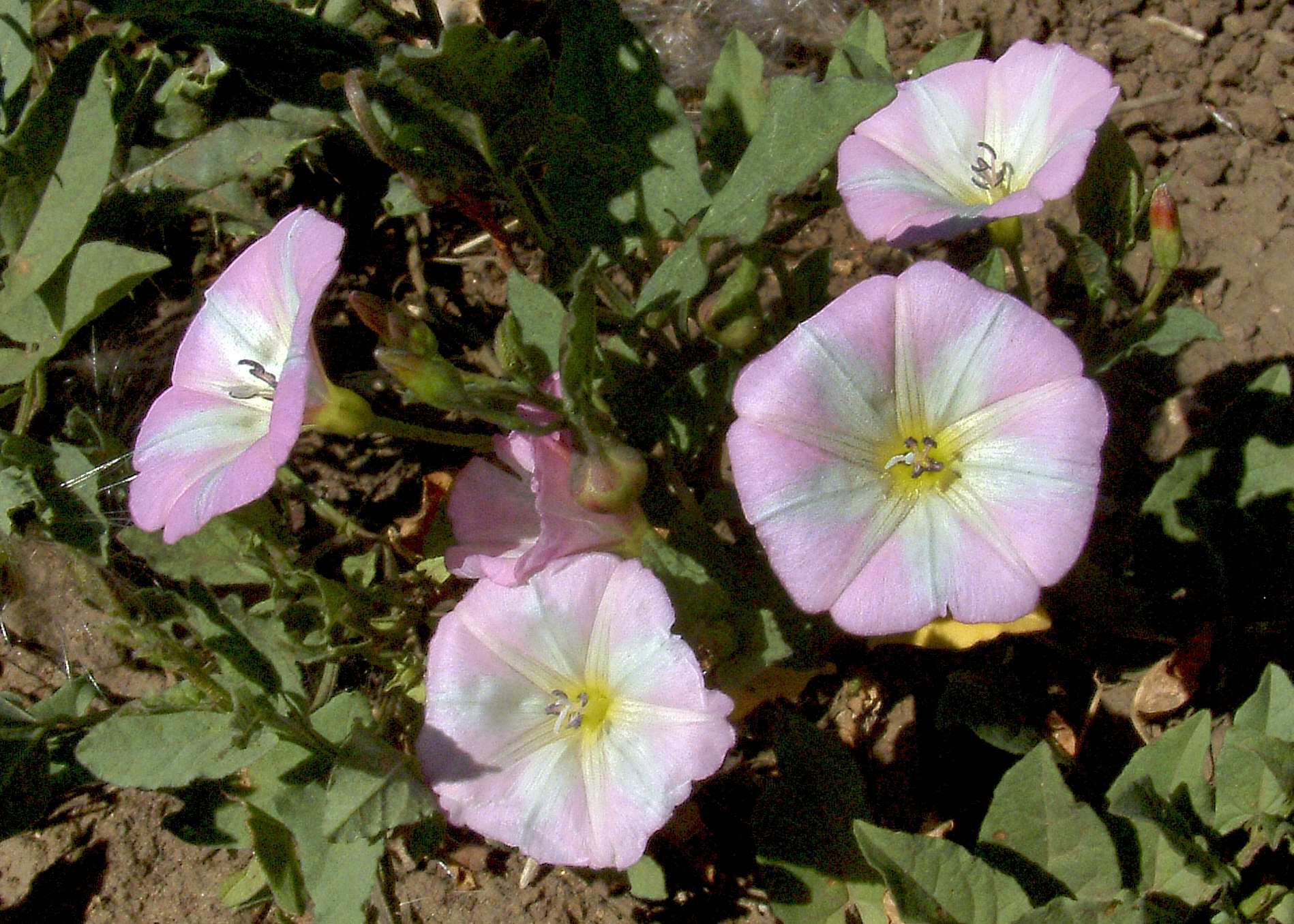
 Are those weed seedlings or flowers?
That’s a significant question early in the season. While mature weeds are obviously not zinnias or parsley, it’s much harder to distinguish garden plants from unwanted pests when they’re still seedlings. Yet, weed control is much, much easier when done at the seedling stage.
The first year we lived in Colorado, I made what turned out to be one of my worst gardening blunders ever. We moved into our house in November. I surveyed the empty beds around the patio and assumed nothing was planted there. Silly me. Like so many transplants here, I’d come from (northern) California, where the growing season lasted all year. I hadn’t yet learned that many plants spend the winter hiding underground.
 Common Yarrow might be common, but it’s still a worthy plant for Colorado gardens. Plants form spreading clumps of dark green, finely cut leaves about one foot tall. Flat-topped clusters of tiny flowers that rise above the greenery provide landing places for butterflies, which are attracted in large numbers. Blooms may be white, pale to golden yellow, or various pastel shades; ‘Paprika’ is a cultivar with red flowers the color of their namesake.
 At last! After a long winter wait, it’s finally time to get outside, crumble some soil in our fingers, and dig in. Yes, it’s finally time to plant our vegetable gardens—or at least the first crops. While we need to wait a bit longer for frost-tender plants, there are many cool season vegetables that can handle cold nights and a bit of frost. Here are some crops that you can transplant or direct seed into the garden right now.
 I heard this the other day and thought it was funny enough to bear repeating. I hope I don’t offend any Italians—that surely isn’t my intent! I would love to give credit to the person who write this, but I have no idea who that might be.
 I’m a sucker for anything that blooms blue, and bachelor buttons are undeniably blue. There’s even a shade of blue named after their alternate, and perhaps more familiar, name—cornflower blue. Although white and pink varieties are also available, they don’t interest me in the slightest.

 I’d just given a two hour talk on high altitude vegetable gardening, and a crowd of people surrounded me, anxious to ask questions.
 After months of dreary landscapes, Aubrieta’s vibrant purple flowers bring welcome color to the April garden. The diminutive blossoms have four petals arranged in a cross, with a clump of yellow stamens in the center. In early spring, they bloom enthusiastically, completely hiding the low growing mats of evergreen foliage. The plants only reach six to twelve inches tall but they can extend as far as two to three feet wide.
 Mountain Plover