Yes, it’s May. And yes, it’s still snowing. In fact, we had temperatures around 20 degrees, with snow, over the past few days. The prediction is for warmer weather, but in previous years we’ve had snow and lows below freezing well into June. Of course I’m anxious to get my garden growing—but what will survive our winter/spring weather? Surprisingly, quite a lot!
Kale
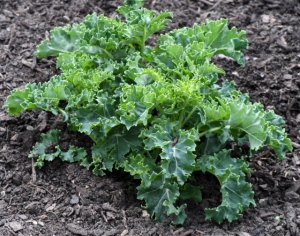 We were gone last fall, so I never got around to pulling out last summer’s freeze-killed veggies. It turns out that was a good thing. With no protection at all, my Starbor kale roots survived our Zone 4 winter, and new growth is appearing from a dead-looking stump. I expect the kale plants to bolt as soon as it warms up a bit more, but in the meantime, I’m harvesting kale now. I plan to include kale in my garden again this year, starting seeds inside and setting out plants in late June to mature in September and October, after frost sweetens the leaves. You can bet I’ll leave those plants in place next fall, maybe with a bit of mulch or a row cover, for yet another early harvest. (more…)

 When you think of container gardens, what comes to mind? Red geraniums in a window box? A hanging pot filled with colorful petunias? How about pots of herbs on the window sill? How about a huge pot overflowing with varied textures, colors, and shapes? When it comes to container gardens, that geranium is only the beginning.

 I’ve been down with a nasty stomach virus for the past week, more interested in the distance to the bathroom than in gardening. As a result, I’ve been perusing articles instead of writing them (it takes far less effort!). I’ve also spent considerable time reading bogus gardening advice on Pintrest—it’s an amazingly rich repository of horticultural mythology. One afternoon I focused on the idea that houseplants purify the air in our homes. We’ve all seen the articles…
 The weather has been too nice. One might even think that Spring has come to stay. Usually, this time of year is marked by freezing cold and wet snowstorms. I’m sure the snow will return, but the past week or so has been so gorgeous, it would be easy to be deceived.
 The forecast for today is a high of 73, with sunshine and balmy breezes. Yesterday reached the 70s too. After weeks of cold and wind, the desire to be outside is overwhelming. So what can we do in the garden now?
 It used to be relegated to garnish status, if you could find it at all. Kale’s strong flavor placed it in last place when compared to its more appealing relatives such as cabbage, cauliflower, and broccoli. Even the oft-hated Brussels sprouts were more popular. But now, kale is finally getting the accolades it deserves. From kale smoothies to the seared kale I enjoyed at a restaurant recently, its showing up everywhere. With its abundant nutrients and new, milder flavor, kale might be the “trendy veggie” of the decade.
 Mountain Plover