
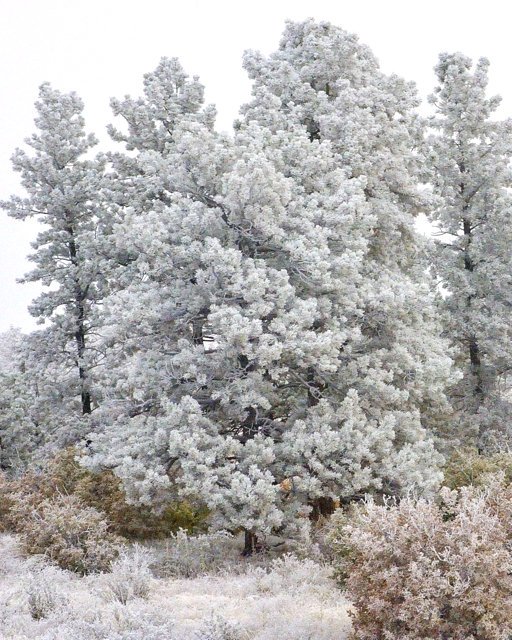
 We’ve been enjoying some glorious autumn foliage these past few weeks, but there are plenty of plants that remain stubbornly green. In fact, their leaves stay green no matter what the season—that’s why we call them evergreens. With winter just around the corner, I began to wonder—how do evergreens survive our cold winters? Why don’t they lose their leaves?
Category: Plants
Kintzley’s Ghost is Hauntingly Beautiful
 You’ve put out the jack-o’-lantern, there are mysterious eyes blinking in the hedge, and spider webs festoon the front porch. It’s almost time to greet thus year’s trick-or-treaters. You think you’re ready, but there’s a good chance that you’re missing the pièce de résistance, the perfect, spooky vine to frame your doorway. You need to plant Kintzley’s Ghost honeysuckle!
This 2006 PlantSelect™ winner is the perfect plant for Colorado gardens, and not just because of its Halloween-evoking name. A cross between two Midwest natives, Lonicera reticulata (Grape Honeysuckle) and L. prolifera (Yellow Honeysuckle), this hybrid depends on weekly watering in more arid regions. Plants are hardy in USDA zone 4 through 8. Not fussy about soil, they thrive in full sun, but also tolerate afternoon shade. Another plus—the blue-green foliage is deer-resistant.
Epsom Salts in Colorado: NOT
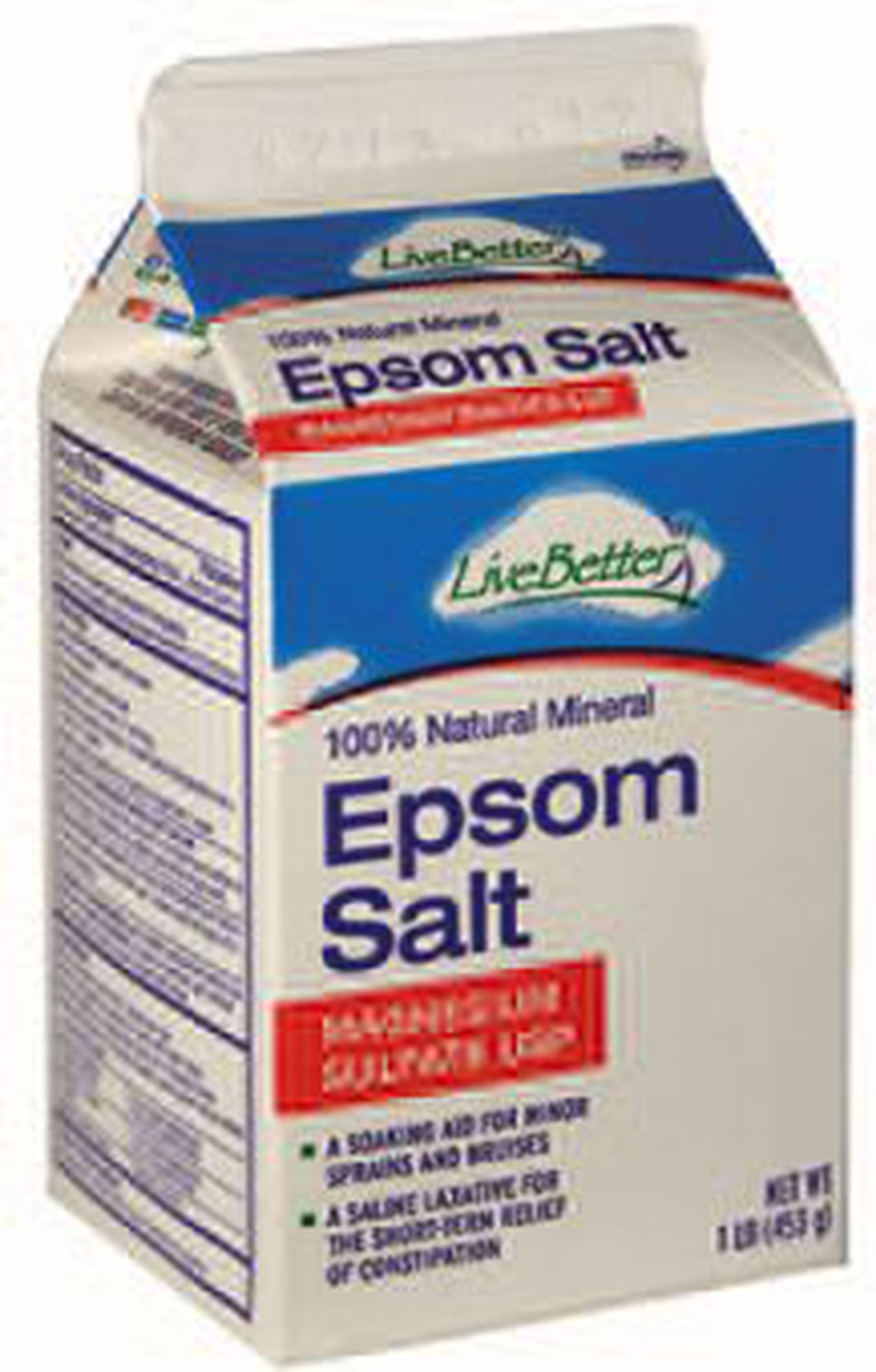 Epsom salts are often recommended as ways to improve your garden. A quick Google search turned up claims that they will improve seed germination, increase the size and number of flowers, reduce fruit drop, increase nutrient absorption, counter transplant shock, green up your lawn, prevent leaf curling, deter slugs, kill weeds, grow sweeter fruit, produce sweeter tomatoes with fewer problems such as blossom rot, increase pepper yields, and result in more and bigger roses on healthier plants. Wow. With benefits like these, we should all be putting Epsom salts in our gardens!
Pretty, Pretty Coralberry
 Lots of plants have pretty flowers or showy berries, are drought tolerant, handle clay soil, take full sun or part shade, or tolerate deer browsing on them. But how many plants have all these qualities? Coralberries are clear winners when it comes to choosing plants for our gardens. In fact, the only drawback comes when we try to pronounce their scientific name: Symphoricarpos orbiculatus!
If you’re into plants, you might recognize the genus. Symphoricarpos also includes Snowberries, S. albus, and the plants are fairly similar.
A Late Season Garden
 I didn’t plant this year’s veggie garden until mid-August. No, I wasn’t procrastinating. I just had to wait for the new boxes to be built, filled with topsoil and compost, and the drip lines put into place. While we moved to our new house in May, the landscaper didn’t start until the end of July—and my veggie boxes turned out to be the last thing they did.
Now I have two 4-foot wide raised planters, each about 10 feet long. (My garden got downsized along with the rest of my life.) I love the “rumble stone” bricks we used—they’re comfy to sit on as I weed and harvest. The boxes are a little over two feet tall (they’re on a slope, so it varies) and we filled them to about 10 inches from the top. I wanted some headroom for adding future amendments and so I can lay clear panels over the edges to create coldframes as needed.
To Spray or Not to Spray?
 During a recent visit to a local business, a tiny little beetle was discovered making its way along the baseboard, laboriously climbing over each bump in the carpet. Alarmed, the owner rushed over and glowered at the intruder, commenting that it was the second one she’d seen in as many days. She promised to pick up an insecticidal “bomb” to set off that evening after closing. I rescued the pint-sized ground beetle and carried it outdoors before it got stepped on. I’m sure it was relieved to be deposited in the grass, where it could go back to preying on smaller insects.
With winter approaching, many insects are looking for a place to shelter until spring. They don’t know the difference between a bark crevice and a door frame, and they unwittingly end up in our houses. Most are completely harmless, and can be simply redirected back outside. Instead, we reach for the can of bug spray.
Yellow Leaves, Red Leaves, Pretty Leaves, Dead Leaves
 You probably remember learning about fall color when you were in elementary school. You know that leaves turn colors before they fall, and it had something to do with chlorophyll. But when is the last time you really thought about fall foliage from a botanist’s point of view?
As gardeners, we want to know which plants turn which colors so we can use them effectively in the landscape. Here in Colorado, most of us know that aspens turn yellow golden, Gambel’s (scrub) oaks become a flaming reddish orange, and burning bushes (Euonymus alatus) shine in stunning shades of fluorescent pink, purple, and red. But why exactly do they do that? And how?
A Cedar By Any Other Name…
Which of these photos shows a cedar?

Delinquent Daisies
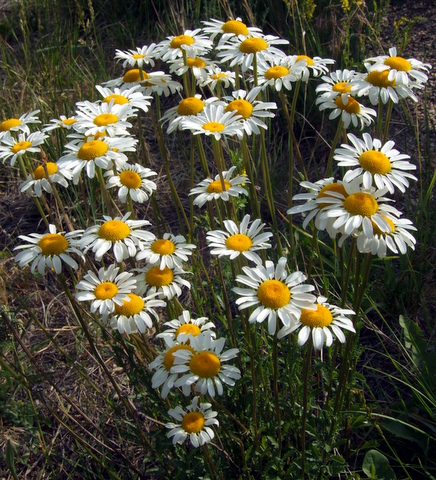 They sound pretty good— perennial plants that:
- Are hardy in Colorado, even in the mountains
- Grow a compact one to two feet tall
- Are covered with eye-catching white daisies in mid-summer
- Grow in almost any soil
- Bloom in full sun or partial shade
Gardening Advice: The Good, the Bad, and the Ugly
 We’ve all seen the hype—
- Put beer on your lawn for greener grass.
- Use Epsom salts for better blooms.
- Plant marigolds to keep the bugs away.
But do these “special garden remedies” actually work, or are they a waste of time and money? Worse, can they damage your plants or soil? How can you know what to heed, and what to ignore?
 Mountain Plover