Mountain Plover Photography

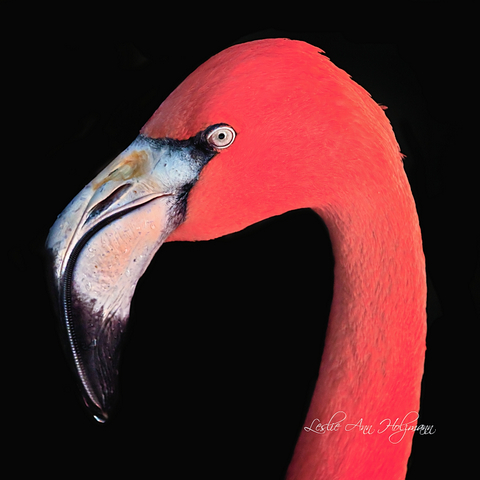
Instead of an interesting and informative article on gardening or birding, today I have a shameless advertisement for my photography business, Mountain Plover.

I usually sell my prints and blank cards in person, either at a speaking engagement or at a one of the craft boutiques so prevalent this time of year. However, I’m also happy to ship greeting cards and matted prints anywhere in the United States. (Overseas? Contact me.)

(more…)

Thanksgiving Mums

Happy Thanksgiving! The table is set and the aroma of roasting turkey fills the air. You hear the doorbell and go to answer it. Sure enough, your dinner guests have arrived bearing pumpkin pies, hearty appetites… and a potted chrysanthemum.

Familiar as corsages and potted gift plants, chrysanthemums are the iconic fall bloomer. Available in a wide range of colors, from white through yellows to reds, pinks and purples, there is a shade for every garden. Orange, russets and golds are particularly appropriate for this time of year. Forms vary just as much. Spider mums have long petals forming shaggy heads, while others resemble simple daisies. Most garden varieties have double flowers such as the ones pictured here. All in all, the US National Chrysanthemum Society recognizes thirteen bloom types. The flowers are supported by stiff stems approximately two feet high and adorned with elongated heart-shaped gray-green leaves with uneven edges.

(more…)

My Favorite Seed Catalog

The mailbox is full of catalogs these days. Harry and David, Sierra Trading Post, Pottery Barn—I may glance at them before tossing them into the recycling bin. But there are a few catalogs I can’t wait to get. As the cold weather sets in and the landscape is dreary and dead, seed catalogs arrive with their reminder that spring will come, eventually. They are the perfect cure for the winter blahs.

(more…)

Our Favorite Peas

If the only peas you’ve tasted were from a plastic freezer bag—or worse, a can—you have no idea what you’re missing. Fresh-from-the-garden peas are so delicious, so sweet and nutty, it seems they should be bad for you! I used to send our daughter out to harvest them before dinner, and she’d eat every one before bringing the empty pods back to the house. (Parents of picky eaters, take note!) Now my husband does the same thing—I send him out to harvest our sugar snaps and he brings back an empty bowl and a grin.

Peas prefer a long, cool and damp growing season, pretty much the opposite of what we have here in Colorado. Still, I plant a crop every year. Even if we only get one meal, it’s worth it. We love peas.

(more…)

IPM: Good Bugs and Other Garden Heroes

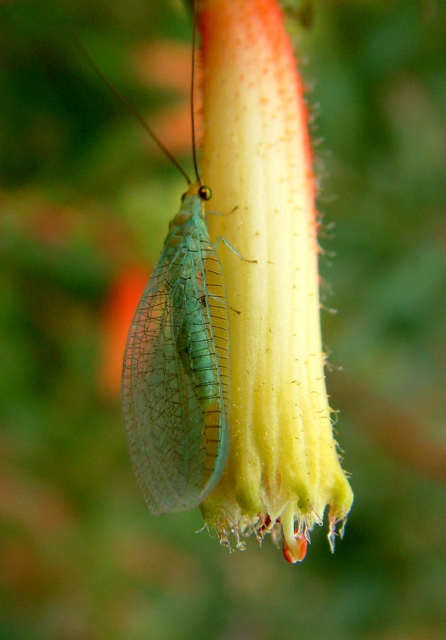
spider_dbg_lah_7406If we set a thief to catch a thief, then why not set a bug to eat a bug? Sometimes the best way to control an outbreak of an insect pest is to use another insect, or a close relative (such as spiders). Ladybugs, the most famous of these insect killers, are wimps compared to some of the other predatory critters in your garden. Lacewing larvae, ground beetles, praying mantises, wasps, hover flies, spiders… there are plenty of beasties who are more than happy to keep garden pests under control.

lacewing-on-cuphea-micropetala-cigar-plant-sanantoniobg-2003nov30-lah-001 (more…)

Carrots All Winter

Now that the winter’s first hard freezes have arrived, fresh homegrown produce is in short supply. The season my be over for frost-tender summer squash, vine-ripened tomatoes, peppers and eggplant, but with some preparation, you can enjoy at least one crop that can be harvested from mid-summer through fall and winter, until the days start to warm again. There’s nothing like going out to the garden in December, brushing off some snow, carefully digging into the cold soil, and pulling up some crisp, bright orange carrots!

(more…)

Beyond Fall Foliage

Want to add autumn interest to your garden? Frost has arrived and flowers are finishing their season, but we don’t have to settle for a boring landscape. Even in Colorado, it’s possible to create a garden that is beautiful all year.

Colorful foliage is everywhere this time of year, but there’s more to fall than just leaves, no matter how spectacular they might be. Look for bright berries, persistent seedheads, and even colorful or thorny bark and branches.

(more…)

Virginia Creeper

parthenocissus-quinquefolia_virginia-creeper_fcnc-co_lah_3565When we think of fall color, we usually think of trees—ash trees are bright yellow, aspen is gold, and oaks and maples are turning crimson. Or we might notice the incredible purple-orange-scarlet leaves on aptly named Burning Bush (Euonymus alata).  Not many people expect impressive fall color from a vine.
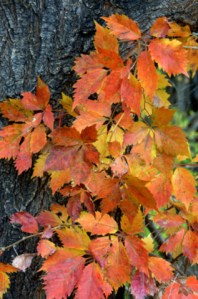
Virginia Creeper (Parthenocissus quinquefolia) is an import from the northeastern U.S., and grows well in Colorado; it’s hardy to zone 3. Three to seven-inch leaflets in sets of five turn a gorgeous red-orange in September and October, creating a pleasing backdrop for the small blue berries scattered throughout.

(more…)

Spinach

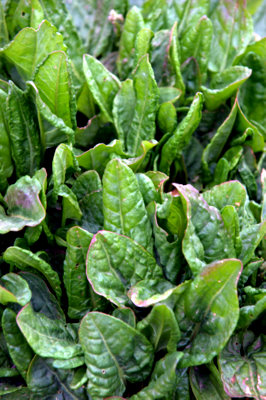
spinach_dbg_20100417_lah_2909True confessions… I am allergic to spinach. Very sad, I know. So, I don’t grow it. Everything I’m about to tell you about spinach cultivation I learned from such wise gardeners as David Whiting, Colorado State University professor and State Coordinator for the Colorado Master Gardener Program, and Diane E. Bilderback, one of my favorite garden writers (and, along with Dorothy Hinshaw Patent, author of my favorite veggie gardening book, Garden Secrets).

The first tricky thing about spinach is when to plant it. Being extremely day-length sensitive, it is sure to bolt when it receives 14 or more hour of daylight per day. You can squeeze in a crop as soon as the weather is warm enough (and thankfully, spinach is relatively hardy), or wait until days are getting shorter again and plant for a fall harvest.

(more…)

Ladybug, Ladybug

ladybug-on-fernleaf-dbg-19sept05-lah-193The quintessential “good bug,” ladybugs (aka ladybird beetles) are the poster child of the beetle world. Everyone knows that ladybugs eat aphids and other “bad bugs” (especially scale insects) and should be welcomed in the garden.

Actually, not all ladybug species are red. Some species are orange, yellow, white, black, brown, or gray. And not all ladybug species eat aphids, although most do. Some are even agricultural pests, such as the infamous Mexican Bean Beetle. Still, most ladybugs are red, and they eat vast numbers of aphids, as well as scales, mealy bugs, leaf hoppers, mites and other soft-bodied insects and their eggs.

(more…)