
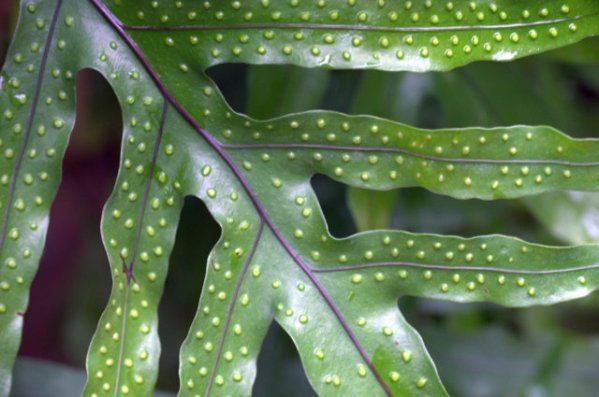
“There’s something wrong with my fern! It has dots all over the leaves. It must be some sort of disease! What should I spray it with?”
I was sitting at our county extension’s Master Gardener Help Desk, answering questions when the call came in. The caller was quite agitated, afraid that her prize fern was on the verge of passing into the great garden in the sky. It took me some time to calm her down and explain that those black dots, neatly lined up in rows, were in fact a sign of health, and that her fern was not only thriving, but was on the brink of parenthood. Yes, those little bumps contained a zillion baby ferns, so to speak, in the form of spores.

 Perhaps you want to hang a huge framed photo of your prize roses over the couch. Or maybe you see some striking flowers in someone else’s garden, and you want to grow them at home—but you don’t know what they are. Maybe you simply want to record where you plant your tulips this fall, so you don’t bury them under a new perennial come spring. I’ve taken photos for all of these reasons and more.
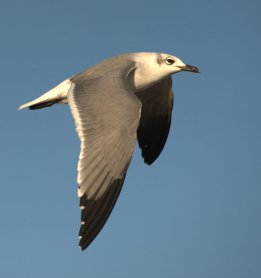 Birds are pretty amazing creatures. A recent question from a friend helped me realize just how amazing.

 Sometimes I think January is my favorite month of the gardening calendar. Temperatures plummet and the ground is frozen solid. Anything at all frost-tender succumbed to the cold months ago. My raised beds look suspiciously like burial vaults covered in mulch. Yet, in my mind’s eye, my 2018 veggie garden is flourishing.

