
 Color. It’s probably the primary reason we grow flowers. Yellow daffodils and red roses, irises in every color of the rainbow. Without flowers, our yards would be much more subdued. Gardeners rejoice in the options available, but why do flowers come in so many colors in the first place? What do they get out of it?
For one thing, not all flower colors arise in nature. Plant breeders have spent centuries coaxing new combinations from the available genes—even inducing mutations to increase the possibilities. The wild roses that grow in our foothills range in color from pale to deep pink, but at the garden center I can buy rose bushes that produce blooms of yellow, peach, salmon, orange, lavender, burgundy, pure red, and white—or even combinations of these. Petunias were originally a pinkish lavender. Now they come in every hue except green.
 Many serious birders keep a life list of the bird species they’ve seen. We can tell you exactly how many birds are on that list, and there’s great excitement when we can add a new “lifer.” We may also have a list of “target birds,” those not yet seen, and we often spend considerable effort tracking them down. But once a year, we have an opportunity to add a new bird or two without lifting a finger.

 Every gardener knows that ladybugs are “good” bugs because they eat “bad” bugs. Educated gardeners know that ladybugs are actually beetles, and that they eat aphids, scale insects, immature beetles and true bugs, and mites. The adults are efficient predators; the larvae are even more voracious. No wonder we want lady beetles in our gardens!
 Does this pink look too garish? Should I match it with orange—or cream? Or would the gray be better? One of my favorite aspects of gardening is coordinating flowers. Sure, each plant is a beauty all on its own but, just as a decorator pulls together matching and contrasting colors to produce a total look, so the creative gardener selects flower and leaf colors that complement one another, creating a composite whole that outshines any single plant.
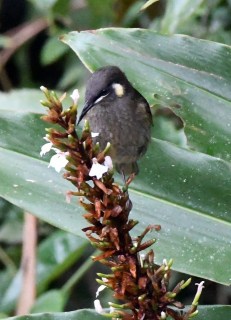 Tropical rainforests. That was why we had come to northeastern Queensland. I had romantic visions of colorful birds, stunning flowers, perhaps a python or two. Now that we were finally there, it was time to see if my fantasies had any basis in fact.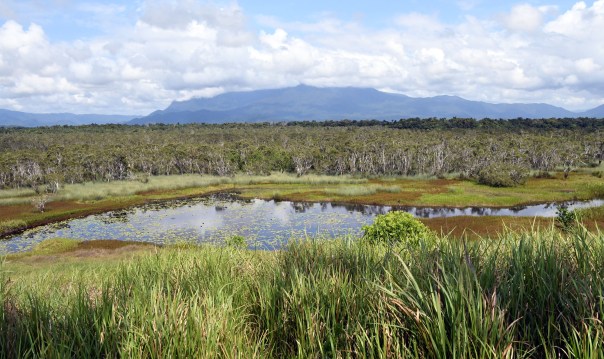
 It’s a common question. You’ve just planted a new tree. In the process, the plant has lost a significant portion of its roots—sometimes up to 95 per cent! Should you prune back the crown to compensate?
