One of our daughters lives north of Seattle, where plants like to grow. She just called, all excited to tell me about her veggie garden. It seems that last year she planted six zucchini seeds, and none of them survived. She was a novice gardener and planted the seeds too deeply. Then, the local rabbit population gnawed off the two sprouts that managed to reach daylight.
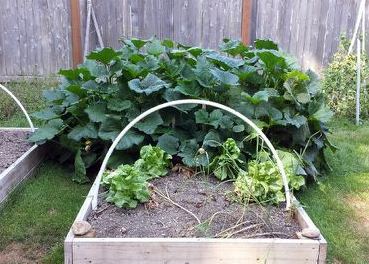
 This year, a bit wiser, she decided to try again. There were a dozen seeds left in the packet. Assuming that she would get a similar germination rate as the previous summer—after all, these were old seeds, right?—she went ahead and planted all twelve seeds. Yes, twelve. Even better, she planted them six inches apart along the 4-foot wide end of her raised bed!
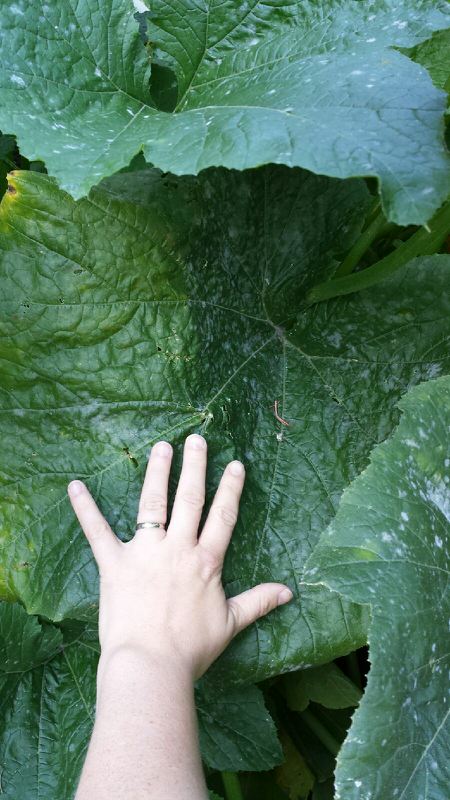
You guessed it. Ten of the twelve seeds sprouted and rapidly grew into vigorous, prolific squash plants. Did I mention that she only has a small, 4 x 8 foot raised bed? You can see her monster zucchini plants in these photos. (That is one huge zucchini leaf, and her hand for comparison!)
(more…)

 Leading up to the CFO convention, which happened over Labor Day weekend, forecasters were calling for weather in the high 90s. It was a delightful surprise to discover that their predictions were wrong. Instead of sweltering under the hot prairie sun, we enjoyed days in the low 80s, with scattered clouds (and one rapidly-moving thunderstorm). What a relief to be focused on the birds instead of the heat!

 Spending time now on chores such as weeding and garden cleanup will reward you many times over when spring arrives.