(Make sure you also see the previous months’ Bird Quizzes!)
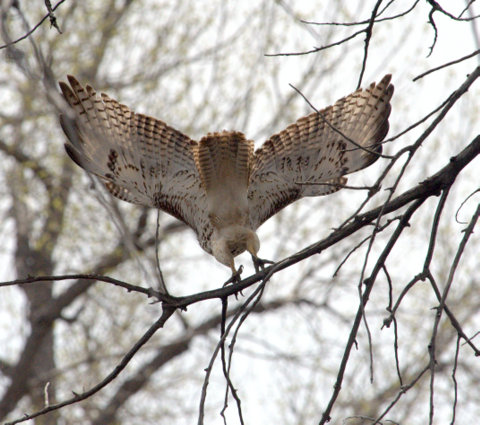
Once again I’ve put together some birds to identify. As with the birds last year, these won’t be super hard. I’ll show you most, if not all, of the bird, and you should be able to find it in your field guide without too much trouble. Maybe I’m just too chicken to post the pictures that have me stumped!
Can you identify this bird? The photo was taken during January in Colorado. My answer will appear next Monday.
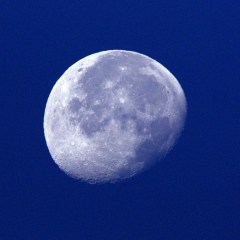 Magazines are full of articles, the Farmer’s Almanac publishes a yearly calendar to guide you, and my niece swears it works. What is it that’s so popular in the garden world? It’s the age-old practice of planting according to the phases of the moon.
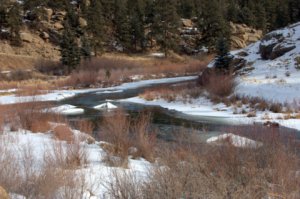 It was cold. Really cold. The car thermometer read -3 (yes, that’s a minus sign) and the wind was howling. That’s what you get when you’re birding at 8,500 feet in the Rocky Mountains at the end of December. Despite four layers of winter clothing, knit hat plus fleece-lined hood, and gloves, I was shivering—and having a tremendous time!
 We had a wonderful white Christmas, and the landscape is blanketed in a couple of inches of snow. But with highs below freezing and a predicted low of 10°F tonight, I was naturally concerned about the birds. Early in the morning I bundled up and ventured out to fill my feeders. I added a block of suet to my suet cage, topped off the mesh nyjer feeder, and carried a huge scoop of black oil sunflower seeds to my platform feeder. I assumed the abundant juncos, finches, nuthatches, and chickadees would keep the snow cleared enough to feed. And, for a while, they did.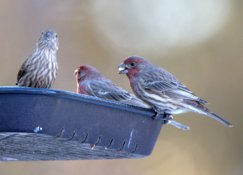
 Everywhere we turn, we see red. Poinsettias decorate our homes, churches, businesses and stores. How did a tropical plant become such a pervasive symbol of Christmas? Are poinsettias poisonous? And what should I do with my plants once the holidays are over?
 I admit to feeling a bit smug. My Christmas shopping is done, the gifts are wrapped and delivered, and I can relax with a cup of tea and simply enjoy the season. However, I realize a lot of people are still wracking their brains for the perfect present for someone. I can’t help you with Aunt Milley who has everything, but I do have some ideas for any birders on your list. Happily, birders are easy to shop for. Pretty much anything bird-related is bound to be a hit.