Can you identify these birds? The top photo was taken in Colorado during the month of February. The bottom photo was taken in Florida during the month of January. The answers will appear next week.
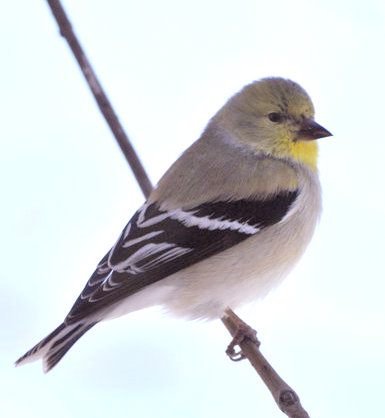
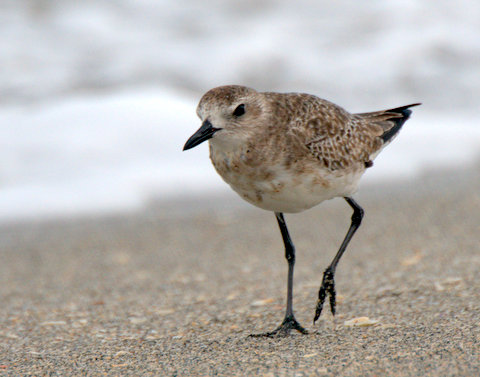

Can you identify these birds? The top photo was taken in Colorado during the month of February. The bottom photo was taken in Florida during the month of January. The answers will appear next week.
 There are lots of reasons to photograph birds. For one, it’s lots of fun (although all-too-often frustrating as well). Photos can provide a record of birds you’ve seen, especially if, like me, you start second-guessing your best sightings the minute the bird flies away. They provide proof to ebird and records committees that your rarity was indeed what you thought it was.
Perhaps you’re birding in an unfamiliar location. You may not immediately recognize all the birds you see, and photos might allow you to ID some species later, when you’re not in a hurry.
Photos can also be artistic. Everyone can be creative—it’s part of our DNA—and photography makes a wonderful creative outlet.
To refresh your memory, here is the photo from February’s Bird Quiz. It was taken in Florida during the month of January. Don’t read any further if you want one last chance to identify this bird.
Can you identify this bird? The photo was taken in Florida during the month of January. This happened to be a captive bird, but the location and date are still normal for this species. The answer will appear next week.

To refresh your memory, here is the photo from January’s Bird Quiz. It was taken in Florida during the month of January. Don’t read any further if you want one last chance to identify this bird.
Can you identify this bird? The photo was taken in Florida during the month of January. The answer will appear next week.

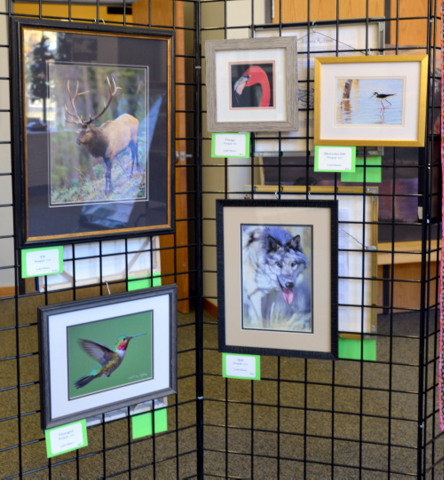 Today it’s time for my once-a-year photography promotion. Does someone on your gift list go wild for wildlife or bonkers for birds? Do they laud landscapes? Are they passionate about plants? How about giving them a photo expressing their special interest?
You can visit my online store at mountain-plover.com, view my line of blank greeting cards here, or contact me directly for prints of any of my photos that appear anywhere on this blog. (Note that prints not in stock will take a few extra days.)
Can you identify this bird? The photo was taken in Texas during the month of January. The answer will appear next week.
 Continue to see the answers from last week’s British birding terms quiz…
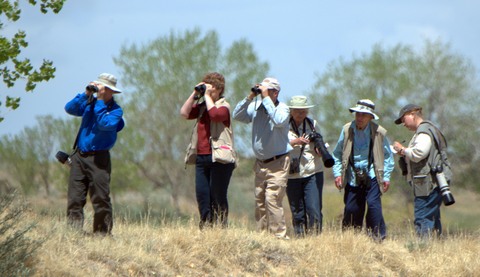 Are you a birder? Do you speak English? I would have answered “yes” to both questions, until I saw some lists of British birding terms. Apparently, I speak American, not English. I’m familiar with “twitcher” as a seriously (some say extremely) competitive birder who keeps a life list (and probably several others as well). And I’ve heard the word “jizz” (which comes from GISS, as in General Impression of Size and Shape) used to describe a way of quickly identifying birds. However, I had no idea what most of these words meant, at least in the context of birdwatching.
Yes, you guessed it. I have a list of a ten British birding terms. How many can you correctly define? I should add, “without using the internet”—no cheating! And before the complaints start pouring in, yes, I’m aware that some of these terms are no longer in general usage, although my sources online didn’t mention which ones are obsolete.
 As temperatures dipped into the negative numbers last week, I started wondering—how do wild birds, some no bigger than my fist, manage to stay warm in such frigid conditions? Of course, some bird avoid the problem by migrating, but plenty of birds winter right here in Colorado. I already knew that birds eat more when the weather is cold; my need to constantly refill the bird feeder is proof enough. The suet feeder, with all that high-calorie fat, empties even faster. But could a higher metabolism be enough to carry such seemingly fragile puffballs through a Colorado winter? I decided to find out.
 Mountain Plover