
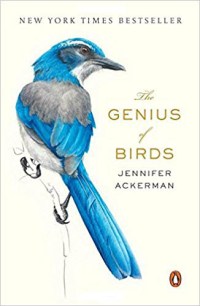
 We ooh and aah over their colorful plumage. We adore their antics. We marvel at their ability to soar, turn, and plummet. But how often do we admire birds for their intelligence? Read The Genius of Birds, and you’ll realize that being called a “bird brain” can be quite a compliment.
From fascinating behaviors to the minutest details of neurophysiology, author Jennifer Ackerman takes us on an incredible adventure into how birds think. Meet Alex, the African Grey Parrot who had a vocabulary of hundreds of English words, and knew how to use them. What’s more, he understood the concept, not only of numbers, but of zero.
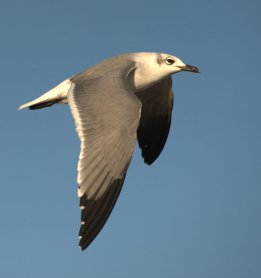 Birds are pretty amazing creatures. A recent question from a friend helped me realize just how amazing.
 New Delhi is a huge city of over 21 million souls. If I had to describe it in one word, it would be “intense.” The colors dazzle, the horns blare, and the food can sear your taste buds. We were there in early November, when farmers in the surrounding states burn their fields. The air was thicker than pea soup, visibility could be measured in tens of feet, and schools and factories were closed. I only had a few days to explore, while Pete was in meetings, so of course I went birding. Breathing is highly overrated.


 As my grandmother always said, “Horses sweat. Men perspire. Women glow.” How do we avoid this sticky situation? Kids run through sprinklers and adults head for the air conditioning, but what do the birds do when the thermometer climbs? They don’t sweat they can’t take advantage of the A/C. However, that doesn’t mean they just sit there and bake, either.
 The bulldozers are at it again. Another swath of short-grass prairie is being turned into houses. I can’t complain—I live in such a house. A mere three years ago, birds and bunnies made their home in what is now my yard. The voles and cottontails are still here and thriving, largely at the expense of my landscaping. The birds—assorted sparrows, hawks, Say’s Phoebes, Horned Larks, Scaled Quail, and Killdeer—decided to go elsewhere.
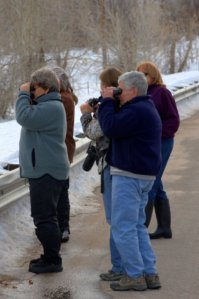 Here it is noon on Saturday, and it’s currently -5 outside. Everyone is talking about the weather—especially because yesterday the temperature soared to 60 degrees. The entire country is shivering. Adding to the discussion is the fact that today is our local Christmas Bird Count. Hardy birders are out counting even hardier birds. Brrrr!
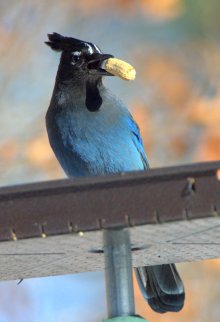 The birdfeeder had been up for weeks, but no birds came to dine. My friend was understandably frustrated. “Why won’t the birds come to my yard?” she asked. “I spent all this money on a feeder and birdseed, but they don’t seem to care!”
 Usually, Colorado’s seasons have little to do with the calendar. This may be the vernal equinox, but we still expect snow and it’s way too early to plant those tender flowers and veggies. After gardening in California for years, I’ve mostly adapted to the challenge here, but from March through mid-May I would drag around the house feeling frustrated that I couldn’t plant anything the least bit frost-tender.
 Mountain Plover