
 Labor Day is past, but there’s no reason to sit inside and sulk. Fall means blue skies and more moderate temperatures beckoning us back outdoors. One of the best gardens to visit at this time of year is Hudson Gardens, in Littleton, Colorado. Situated along the South Platte River, you can enjoy 30 acres of flowers, shrubs, trees, and grass—from exotic annuals to water lilies.
Once a private estate, the gardens are now open to a public, and right now, there isn’t even an admission charge. You can’t beat that! (There may be a small fee during the peak summer season.)


 Appearance
 We’re in the middle of summer, that season I’ve waited for all year. All those December dreams of dahlias, March musings of marigolds—and now it’s too hot to go outside! A friend and I have been planning, then delaying, a trip to the Denver Botanic Gardens for several weeks, hoping for a cooler day that will allow for a more enjoyable visit and better photos. Meanwhile, what’s a sweaty flower lover to do?
 Mid-summer has finally caught up with my spring garden. The lettuce I set out in early May has matured. We’ve eaten dozens of salads and shared the bounty with friends. The few heads that remain are beginning to stretch upwards. Sweet leaves are turning bitter. When the plants we grow for greens decide to grow flowers instead of leaves, we all that “bolting.”
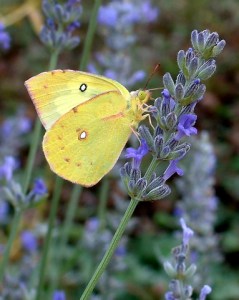 Insects have a pretty crummy reputation. Not too many people are enamored with flies, roaches, or wasps. Yet, there are a few exceptions, such as ladybugs, honeybees (in the right setting), and of course, butterflies. Who doesn’t appreciate butterflies? We’re taken with their beauty, and we hope they’ll visit our gardens. Happily, there are a number of steps we gardeners can take to encourage these “flying flowers.” Creating a landscape that welcomes butterflies isn’t difficult, and it will appeal to people just as much as it does to the butterflies.
 It’s spring. I’ve been digging in the garden—at least between snow storms. My back muscles (and knees and shoulders) ache, there’s dirt under my broken fingernails, and a huge smile on my face. In fact, there’s dirt in my teeth—I’ve been pulling weeds and shaking the soil off their roots before piling them into the compost bucket, and I keep forgetting to close my lips.
 What plant thrives indoors, shrugs off low humidity, and blooms all winter in bold shades of white to pink to red? Surprise! It’s wax begonias!
 Mountain Plover